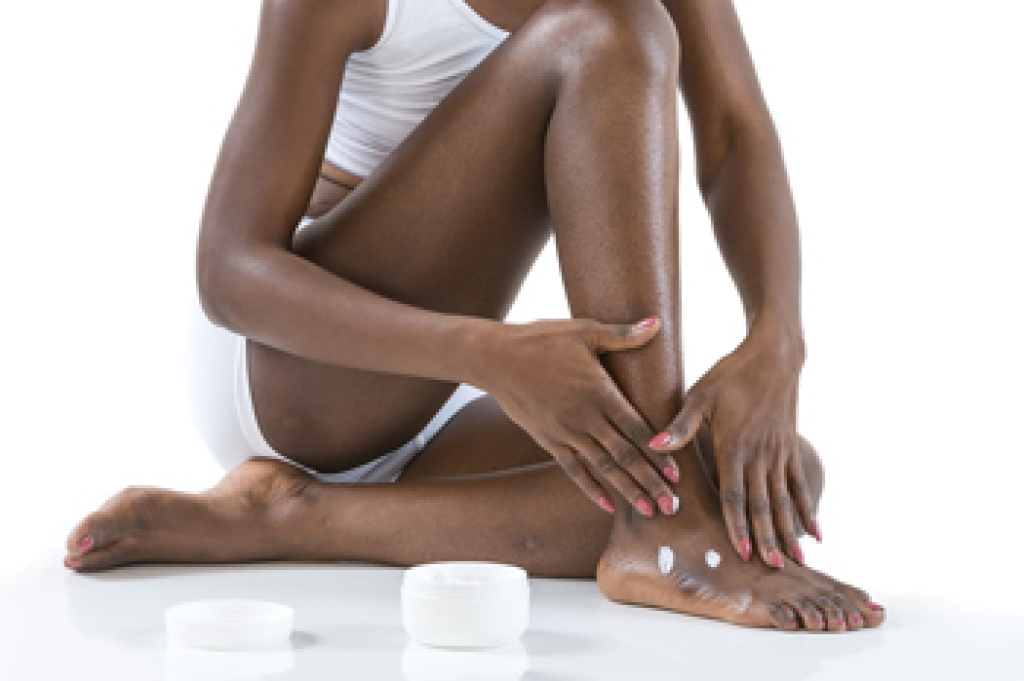
Taking Steps Toward a Lifetime of Healthy Feet

Taking care of our feet will help you to stay active and mobile throughout your lifetime. One of the best paths to healthy feet is to wear good shoes that fit well, are supportive, and have plenty of room in the toe box and proper cushioning on the sole and heel. Maintaining a healthy weight is also very important. Carrying around extra weight puts undue stress on your feet and ankles can increase our chances of developing conditions like diabetes, which can further compromise the health of your feet. Good old-fashioned hygiene is another basic element in maintaining optimum foot health. Feet should be kept clean, dry and moisturized, and fresh socks should be worn every day. Toenails need to be trimmed straight across and kept around 1-2 mm (0.04” to 0.08”) long. Trimming toenails too short might allow them to grow into the skin. Also, to prevent getting a cut or fungal infection, you should avoid going barefoot in public,  especially in communal shower areas and other wet spaces open to the public. A podiatrist can also offer additional advice and professional care throughout your lifetime to keep your feet healthy and functional.

Everyday foot care is very important to prevent infection and other foot ailments. If you need your feet checked, contact Darren Day, DPM from Hawaii. Our doctor can provide the care you need to keep you pain-free and on your feet.

Everyday Foot Care

Often, people take care of their bodies, face and hair more so than they do for their feet. But the feet are a very important aspect of our bodies, and one that we should pay more attention to. Without our feet, we would not be able to perform most daily tasks.

It is best to check your feet regularly to make sure there are no new bruises or cuts that you may not have noticed before. For dry feet, moisturizer can easily be a remedy and can be applied as often as necessary to the affected areas. Wearing shoes that fit well can also help you maintain good foot health, as well as making it easier to walk and do daily activities without the stress or pain of ill-fitting shoes, high heels, or even flip flops. Wearing clean socks with closed shoes is important to ensure that sweat and bacteria do not accumulate within the shoe. Clean socks help to prevent Athlete’s foot, fungi problems, bad odors, and can absorb sweat.

If you have any questions, please feel free to contact our offices located in Honolulu and Kahuku, HI . We offer the newest diagnostic and treatment technologies for all your foot care needs.
Read more about Every Day Foot Care

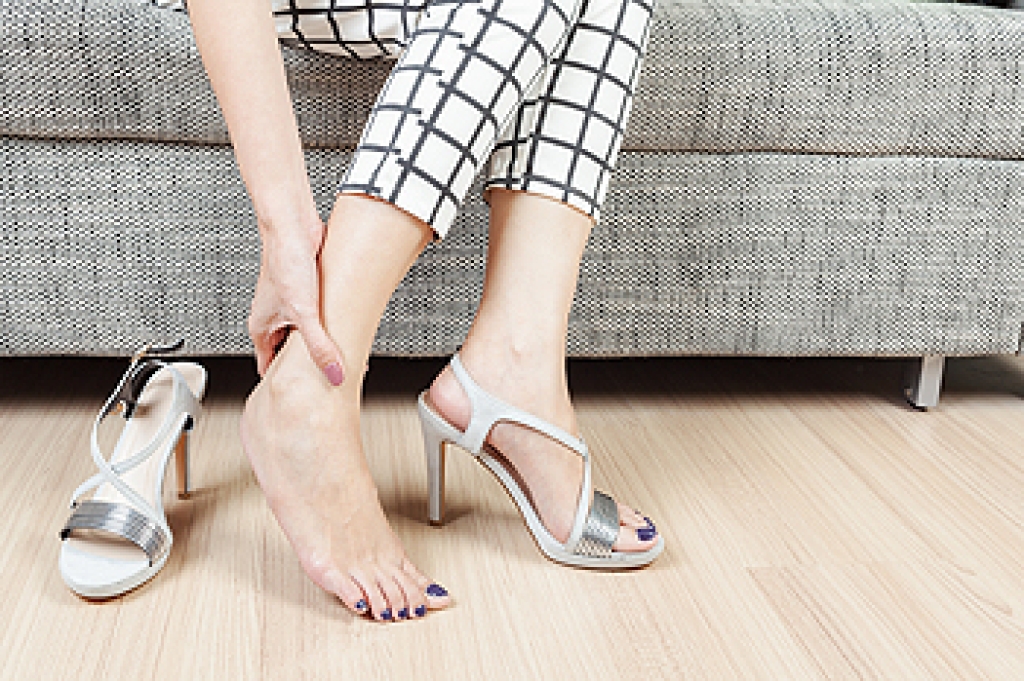
High Heels Can Be Harmful

Most little girls can’t wait for the day that they are able to wear high-heeled shoes. And while high heels often look attractive, down the road, they can eventually cause painful foot conditions. Aside from the obvious possibilities of falling or spraining an ankle, wearing high heels for extended periods of time can also lead to lower back and knee pain. If 5-inch heels are causing a problem, rather than switching to flats, a middle-of-the-road approach is suggested. Flat shoes can cause the Achilles tendon to become inflamed, and this may hurt the back of the heel. Wearing lower heels somewhere between 1 and 2 inches can help alleviate symptoms as well as a wider toe box. If your feet hurt, whether you wear high heels or not, it is a good idea to consult a podiatrist for an evaluation and treatment plan.

High heels have a history of causing foot and ankle problems. If you have any concerns about your feet or ankles, contact Darren Day, DPM from Hawaii. Our doctor can provide the care you need to keep you pain-free and on your feet.

Effects of High Heels on the Feet

High heels are popular shoes among women because of their many styles and societal appeal.  Despite this, high heels can still cause many health problems if worn too frequently.

Which Parts of My Body Will Be Affected by High Heels?

  • Ankle Joints
  • Achilles Tendon – May shorten and stiffen with prolonged wear
  • Balls of the Feet
  • Knees – Heels cause the knees to bend constantly, creating stress on them
  • Back – They decrease the spine’s ability to absorb shock, which may lead to back pain.  The vertebrae of the lower back may compress.

What Kinds of Foot Problems Can Develop from Wearing High Heels?

  • Corns
  • Calluses
  • Hammertoe
  • Bunions
  • Morton’s Neuroma
  • Plantar Fasciitis

How Can I Still Wear High Heels and Maintain Foot Health?

If you want to wear high heeled shoes, make sure that you are not wearing them every day, as this will help prevent long term physical problems.  Try wearing thicker heels as opposed to stilettos to distribute weight more evenly across the feet.  Always make sure you are wearing the proper shoes for the right occasion, such as sneakers for exercising.  If you walk to work, try carrying your heels with you and changing into them once you arrive at work.  Adding inserts to your heels can help cushion your feet and absorb shock. Full foot inserts or metatarsal pads are available. 

If you have any questions, please feel free to contact our offices located in Honolulu and Kahuku, HI . We offer the newest diagnostic and treatment technologies for all your foot care needs.
Read more about Effect of High Heels on the Feet

Keep Your Feet Healthy So You Can Stay Active

Have your feet inspected by a professional before starting a new sport or physical activity. Taking charge of your foot health will keep you in good physical condition and can help you avoid a potential injury, such as a fracture or sprained ankle.

Prevent injuries and see a foot specialist.

How Are Toe Fractures Treated?

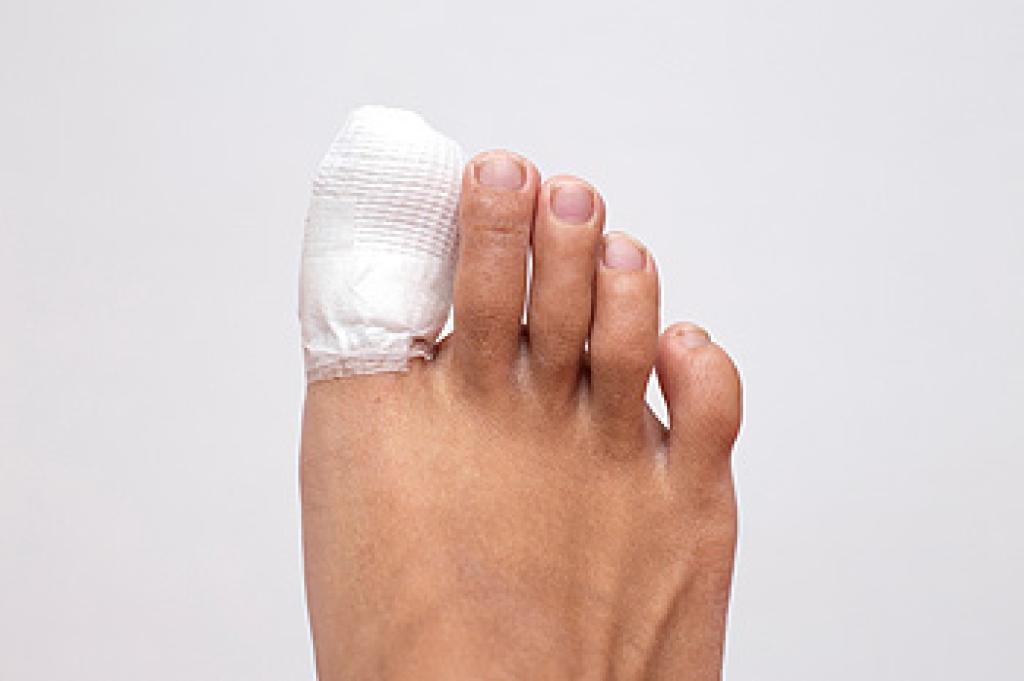
With symptoms such as pain, redness, swelling, bruising, and difficulty walking, a broken toe can be a difficult injury to endure. Fortunately, most broken toes heal properly when they are promptly treated. Your podiatrist will typically be able to diagnose the toe fracture using an X-ray or MRI. Depending on the severity of the fracture, treatment options may include buddy taping or splinting the broken toe, using a support device such as crutches or a walking boot to help you walk, and taking medications. Resting, icing, and elevating the foot may also help to reduce pain. More serious fractures may require surgery, particularly if the bone is displaced or if the toe joint is damaged. To learn more about treatments for broken toes, please consult with a podiatrist.  

A broken toe can be very painful and lead to complications if not properly fixed. If you have any concerns about your feet, contact Darren Day, DPM from Hawaii. Our doctor will treat your foot and ankle needs.

What to Know About a Broken Toe

Although most people try to avoid foot trauma such as banging, stubbing, or dropping heavy objects on their feet, the unfortunate fact is that it is a common occurrence. Given the fact that toes are positioned in front of the feet, they typically sustain the brunt of such trauma. When trauma occurs to a toe, the result can be a painful break (fracture).

Symptoms of a Broken Toe

  • Throbbing pain
  • Swelling
  • Bruising on the skin and toenail
  • The inability to move the toe
  • Toe appears crooked or disfigured
  • Tingling or numbness in the toe

Generally, it is best to stay off of the injured toe with the affected foot elevated.

Severe toe fractures may be treated with a splint, cast, and in some cases, minor surgery. Due to its position and the pressure it endures with daily activity, future complications can occur if the big toe is not properly treated.

If you have any questions, please feel free to contact our offices located in Honolulu and Kahuku, HI . We offer the newest diagnostic and treatment technologies for all your foot care needs.
Read more about What to Know About a Broken Toe

Don’t Pop a Blister

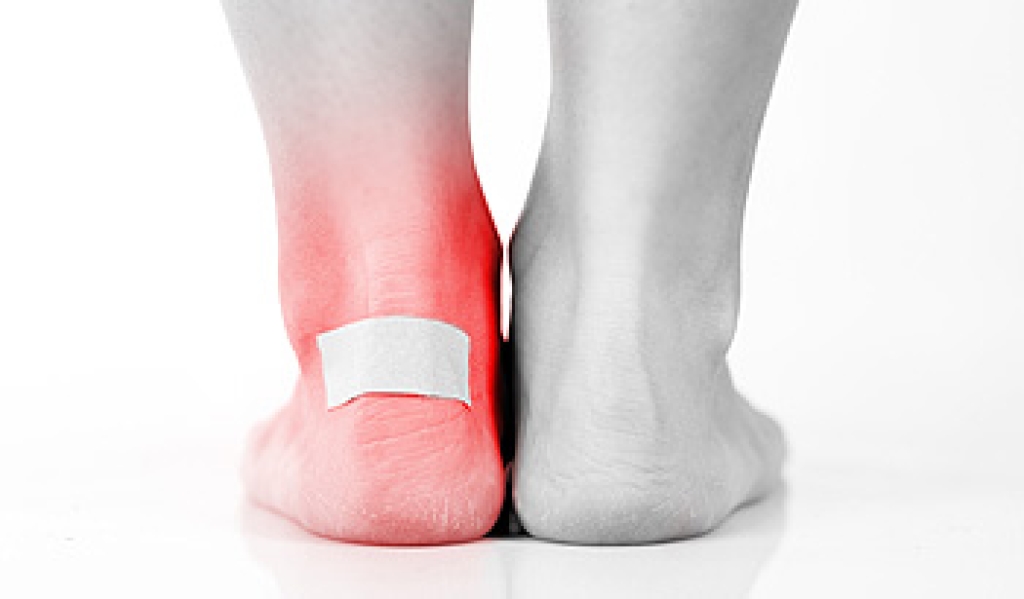
Blisters are small, fluid-filled pockets that form on the skin in response to trauma. Blisters on the feet are typically caused by friction from wearing ill-fitting shoes or exercising, but are also commonly caused by warts, athlete’s foot, and allergic reactions. If you have a blister, it is best to avoid popping it. The fluid inside the blister protects the raw skin underneath it, helping it heal from damage. When a blister is popped, it can be very painful and is more likely to become infected. If your blister has popped on its own, don’t peel off the top layer of skin. Leave it there and cover the blister with a clean bandage to protect it. If your blister is very painful, showing signs of infection, or leaking pus, please seek the care of a podiatrist. 

Blisters are prone to making everyday activities extremely uncomfortable. If your feet are hurting, contact Darren Day, DPM of Hawaii. Our doctor can provide the care you need to keep you pain-free and on your feet.

Foot Blisters

Foot blisters develop as a result of constantly wearing tight or ill-fitting footwear. This happens due to the constant rubbing from the shoe, which can often lead to pain.

What Are Foot Blisters?

A foot blister is a small fluid-filled pocket that forms on the upper-most layer of the skin. Blisters are filled with clear fluid and can lead to blood drainage or pus if the area becomes infected.

How Do Blisters Form?

Blisters on the feet are often the result of constant friction of skin and material, usually by shoe rubbing. Walking in sandals, boots, or shoes that don’t fit properly for long periods of time can result in a blister. Having consistent foot moisture and humidity can easily lead to blister formation.

Prevention & Treatment

It is important to properly care for the affected area in order to prevent infection and ease the pain. Do not lance the blister and use a Band-Aid to provide pain relief. Also, be sure to keep your feet dry and wear proper fitting shoes. If you see blood or pus in a blister, seek assistance from a podiatrist.

If you have any questions, please feel free to contact our offices located in Honolulu and Kahuku, HI . We offer the newest diagnostic and treatment technologies for all your foot care needs.

Read more about Blisters

Connect With Us

Like Us on Facebook
Follow Us on Twitter
Review Us on Google

Affiliated With

Affiliated with Ko'olauloa Health Center Logo
Affiliated with The Queens Medical Center Logo
Advanced Podiatric Procedures & Services in the Honolulu County, HI: Honolulu (Manoa, Kaneohe, Waikiki, Aiea, Waimalu, Moanalua, Kailua, Maunawili, Pearl City, Waipahu, Ahuimanu, Hawaii Kai, Waialae - Kahala) and North Shore (Kahuku, Laie, Hauula, Kawela Bay, Pupukea, Punaluu, Kaaawa, Haleiwa, Waialua, Koolauloa) areas