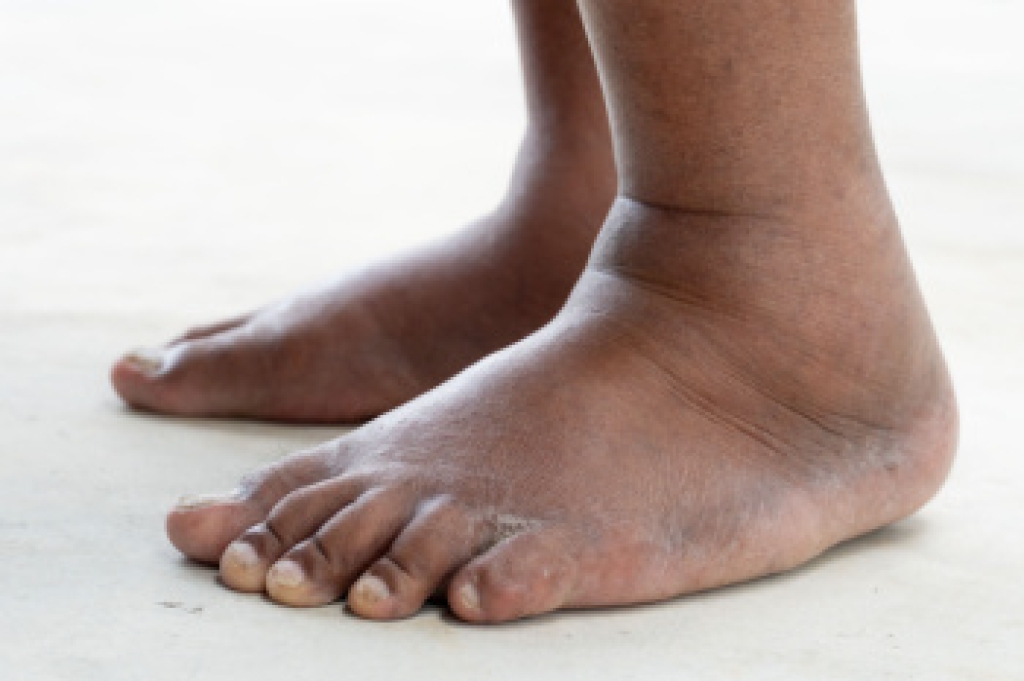
When Swelling Develops in a Lower Limb

The lower limbs include the parts of the body from the knee down to the foot and toes. Podiatrists often treat conditions that affect this region because problems in the leg, ankle, or foot can affect walking and balance. Swelling in the lower limb can occur for many different reasons. Common causes include injuries such as sprains or fractures, infections, inflammation of joints, or problems with tendons and ligaments. Circulation issues can also lead to swelling, especially when veins have difficulty returning blood from the legs back to the heart. In some cases, fluid builds up in the tissues, causing the leg, ankle, or foot to appear puffy or tight. Long periods of standing, certain medications, and medical conditions may also contribute. Because swelling can signal many different problems, proper evaluation is important. If you notice persistent swelling in the leg, ankle, or foot, it is suggested that you see a podiatrist for a proper diagnosis and appropriate treatment.

Swollen feet can be a sign of an underlying condition. If you have any concerns, contact Darren Day, DPM of Hawaii. Our doctor can provide the care you need to keep you pain-free and on your feet.

Swollen feet are a common ailment among pregnant women and people who stand or sit for extended periods. Aging may increase the possibility of swollen feet and patients who are obese often notice when their feet are swelling too. There may be medical reasons why swollen feet occur:

  • Phlebitis - A condition that causes the veins to become inflamed and can also cause leg pain.
  • Liver disease - This may lead to low blood levels of albumin which is a protein. This can cause fluid in the blood to pass into the tissues and several areas of the body can become swollen.
  • Heart failure - When the heart doesn’t pump properly the blood that is normally pumped back to the heart can pool in the veins of the legs causing swollen feet.
  • Kidney disease - One of the main functions of the kidneys is releasing excess fluid in the body. This type of condition can make it difficult for the kidneys to function properly, and as a result the feet may become swollen.
  • Deep-vein thrombosis (DVT)- This is a serious condition where blood clots form in the veins of the legs. They can block the return of blood from the legs to the heart which may cause the feet to swell. It is important to be treated by a podiatrist if this condition is present.

Swollen feet can also be caused by bone and tendon conditions, including fractures, arthritis, and tendinitis. Additionally, there may be skin and toenail conditions and an infection may cause the feet to swell. Patients who take medicine to treat high blood pressure may be prone to getting swollen feet. 

Many patients elevate their feet to help relieve the swelling and this is generally a temporary remedy. When a podiatrist is consulted the reason behind the swelling can be uncovered and subsequently treated.

If you have any questions please contact our offices located in Honolulu and Kahuku, HI . We offer the newest diagnostic and treatment technologies for all your foot and ankle needs.

Read more about Swelling of the Feet

How Stretching and Strengthening Exercises Can Improve Walking With Plantar Fasciitis

Plantar fasciitis is a common cause of heel pain that can change the way a person walks. The plantar fascia is a thick band of tissue along the bottom of the foot that supports the arch and helps absorb shock. When it becomes irritated, people often shorten their steps or shift weight away from the painful heel. These changes can affect walking speed, balance, and overall comfort. Stretching and strengthening exercises are often used to help restore more natural walking patterns. Gentle calf stretching can reduce tension on the plantar fascia and improve flexibility in the ankle. Strengthening exercises for the small muscles of the foot and lower leg can help support the arch and improve stability during movement. Over time, these exercises may help people walk with longer steps and less discomfort. If heel pain continues to affect how you walk or limits daily activity, it is suggested that you see a podiatrist for a proper diagnosis and appropriate treatment.

Stretching the feet is a great way to prevent injuries. If you have any concerns with your feet consult with Darren Day, DPM from Hawaii. Our doctor will assess your condition and provide you with quality foot and ankle treatment.

Stretching the Feet

Stretching the muscles in the foot is an important part in any physical activity. Feet that are tight can lead to less flexibility and make you more prone to injury. One of the most common forms of foot pain, plantar fasciitis, can be stretched out to help ease the pain. Stretching can not only ease pain from plantar fasciitis but also prevent it as well. However, it is important to see a podiatrist first if stretching is right for you. Podiatrists can also recommend other ways to stretch your feet. Once you know whether stretching is right for you, here are some excellent stretches you can do.

  • Using a foam roller or any cylindrical object (a water bottle or soda can will do), roll the object under your foot back and forth. You should also exert pressure on the object. Be sure to do this to both feet for a minute. Do this exercise three times each.
  • Similar to the previous one, take a ball, such as a tennis ball, and roll it under your foot while seated and exert pressure on it.
  • Grab a resistance band or towel and take a seat. If you are using a towel, fold it length wise. Next put either one between the ball of your foot and heel and pull with both hands on each side towards you. Hold this for 15 seconds and then switch feet. Do this three times for each foot.
  • Finally hold your big toe while crossing one leg over the other. Pull the toe towards you and hold for 15 seconds. Once again do this three times per foot.

It is best to go easy when first stretching your foot and work your way up. If your foot starts hurting, stop exercising and ice and rest the foot. It is advised to then see a podiatrist for help.

If you have any questions please contact our offices located in Honolulu and Kahuku, HI . We offer the newest diagnostic and treatment technologies for all your foot and ankle needs.

Read more about Stretching Your Feet

Healing Paths That Help Chronic Foot Wounds Close

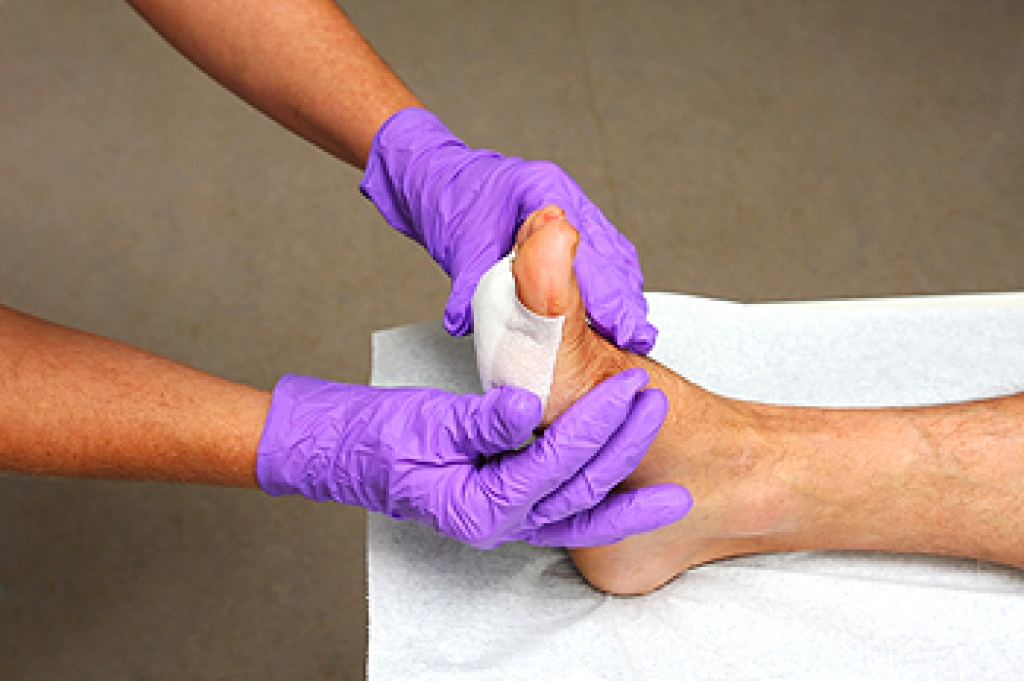
Chronic foot wounds are sores that do not heal within several weeks. They often develop in people with diabetes, poor circulation, or nerve damage. Because the skin on the feet faces daily pressure and friction, healing can be slow without proper care. Treatment begins with a careful exam to find the cause of the wound. Removing dead tissue through gentle debridement helps healthy tissue grow. Special moisture-balancing dressings protect the area and support healing. Reducing swelling and improving blood flow are also important parts of care. Some people benefit from negative pressure therapy or skin grafts. Managing blood sugar and wearing off-loading footwear can prevent added stress on the wound. Close monitoring lowers the risk of infection and serious complications. If you have a sore on your foot that is not improving, it is suggested that you see a podiatrist for a proper diagnosis and appropriate treatment.

Wound care is an important part in dealing with diabetes. If you have diabetes and a foot wound or would like more information about wound care for diabetics, consult with Darren Day, DPM from Hawaii. Our doctor will assess your condition and provide you with quality foot and ankle treatment.

What Is Wound Care?

Wound care is the practice of taking proper care of a wound. This can range from the smallest to the largest of wounds. While everyone can benefit from proper wound care, it is much more important for diabetics. Diabetics often suffer from poor blood circulation which causes wounds to heal much slower than they would in a non-diabetic. 

What Is the Importance of Wound Care?

While it may not seem apparent with small ulcers on the foot, for diabetics, any size ulcer can become infected. Diabetics often also suffer from neuropathy, or nerve loss. This means they might not even feel when they have an ulcer on their foot. If the wound becomes severely infected, amputation may be necessary. Therefore, it is of the upmost importance to properly care for any and all foot wounds.

How to Care for Wounds

The best way to care for foot wounds is to prevent them. For diabetics, this means daily inspections of the feet for any signs of abnormalities or ulcers. It is also recommended to see a podiatrist several times a year for a foot inspection. If you do have an ulcer, run the wound under water to clear dirt from the wound; then apply antibiotic ointment to the wound and cover with a bandage. Bandages should be changed daily and keeping pressure off the wound is smart. It is advised to see a podiatrist, who can keep an eye on it.

If you have any questions please contact our offices located in Honolulu and Kahuku, HI . We offer the newest diagnostic and treatment technologies for all your foot and ankle needs.

Read more about Wound Care

Inflamed Tendons in the Foot and Ankle

Foot and ankle tendonitis occurs when the strong bands of tissue that connect muscle to bone become irritated or inflamed. This condition often develops from overuse, sudden increases in activity, improper footwear, or biomechanical imbalance. Patients may notice aching, stiffness, or sharp pain that worsens with movement and improves with rest. The area can appear mildly swollen or warm, and the pain may feel worse in the morning or after prolonged activity. Left untreated, tendonitis can lead to weakness or more serious injury. A podiatrist begins with a detailed examination to identify the specific tendon involved and the underlying cause. Treatment may include activity modification, supportive footwear, custom orthotics, anti-inflammatory measures, and targeted exercises to restore strength and flexibility. Early care helps prevent long-term damage. If you think you may have foot or ankle tendonitis, it is suggested that you make an appointment with a podiatrist for proper evaluation and treatment.

Foot Pain

Foot pain can be extremely painful and debilitating. If you have a foot pain, consult with Darren Day, DPM from Hawaii. Our doctor will assess your condition and provide you with quality foot and ankle treatment.

Causes

Foot pain is a very broad condition that could be caused by one or more ailments. The most common include:

  • Bunions
  • Hammertoes
  • Plantar Fasciitis
  • Bone Spurs
  • Corns
  • Tarsal Tunnel Syndrome
  • Ingrown Toenails
  • Arthritis (such as Gout, Rheumatoid, and Osteoarthritis)
  • Flat Feet
  • Injury (from stress fractures, broken toe, foot, ankle, Achilles tendon ruptures, and sprains)
  • And more

Diagnosis

To figure out the cause of foot pain, podiatrists utilize several different methods. This can range from simple visual inspections and sensation tests to X-rays and MRI scans. Prior medical history, family medical history, and any recent physical traumatic events will all be taken into consideration for a proper diagnosis.

Treatment

Treatment depends upon the cause of the foot pain. Whether it is resting, staying off the foot, or having surgery; podiatrists have a number of treatment options available for foot pain.

If you have any questions, please feel free to contact our offices located in Honolulu and Kahuku, HI . We offer the newest diagnostic and treatment technologies for all your foot care needs.

Read more about Foot Pain

It's Time for Beautiful Feet

You don't need an excuse to have beautiful nails. Step outside without worrying about the appearance of your feet.

Connect With Us

Like Us on Facebook
Follow Us on Twitter
Review Us on Google

Affiliated With

Affiliated with Ko'olauloa Health Center Logo
Affiliated with The Queens Medical Center Logo
Advanced Podiatric Procedures & Services in the Honolulu County, HI: Honolulu (Manoa, Kaneohe, Waikiki, Aiea, Waimalu, Moanalua, Kailua, Maunawili, Pearl City, Waipahu, Ahuimanu, Hawaii Kai, Waialae - Kahala) and North Shore (Kahuku, Laie, Hauula, Kawela Bay, Pupukea, Punaluu, Kaaawa, Haleiwa, Waialua, Koolauloa) areas