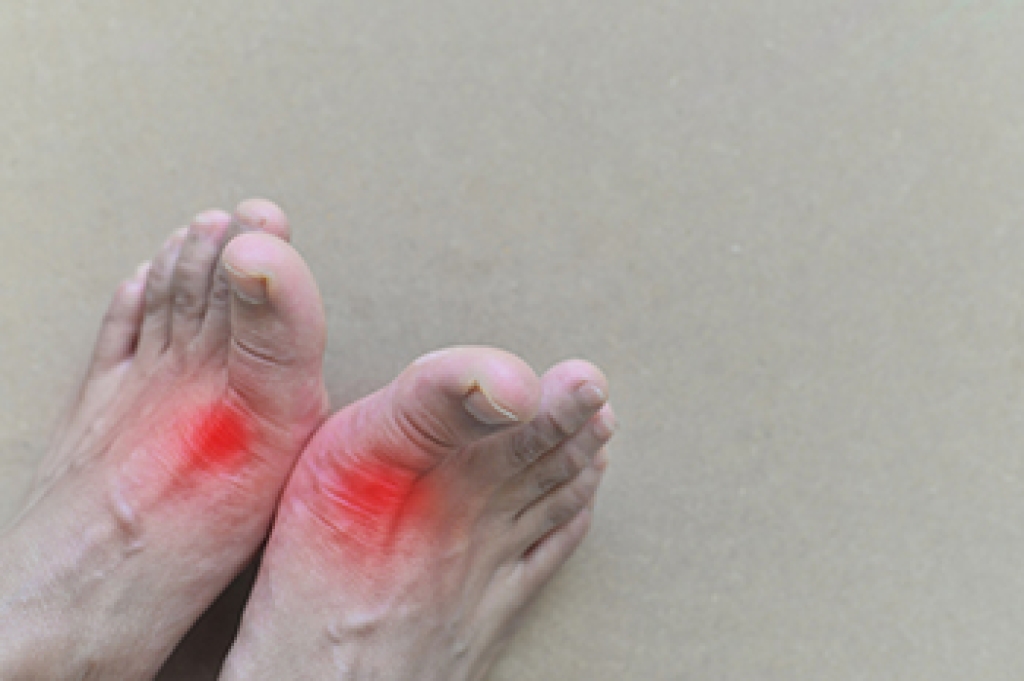
Caring for Painful Foot Blisters

Foot blisters form when friction, heat, and moisture work together to irritate the skin. A small pocket of fluid develops as the body’s natural way of protecting deeper layers from further damage. Although they may seem minor, blisters can become painful quickly, especially when they appear on areas that bear weight or rub against shoes. Keeping the skin clean and covered is important because an open blister creates an easy path for infection. Choosing well-fitting footwear, moisture-wicking socks, and allowing your feet to dry fully after activity helps lower the chances of new blisters forming. Avoid popping a blister on your own. Recurring blisters may signal issues with gait, shoe structure, or foot mechanics. If blisters continue despite careful attention or become red, warm, or swollen, it is suggested that you see a podiatrist for proper evaluation and care.

Blisters are prone to making everyday activities extremely uncomfortable. If your feet are hurting, contact Darren Day, DPM of Hawaii. Our doctor can provide the care you need to keep you pain-free and on your feet.

Foot Blisters

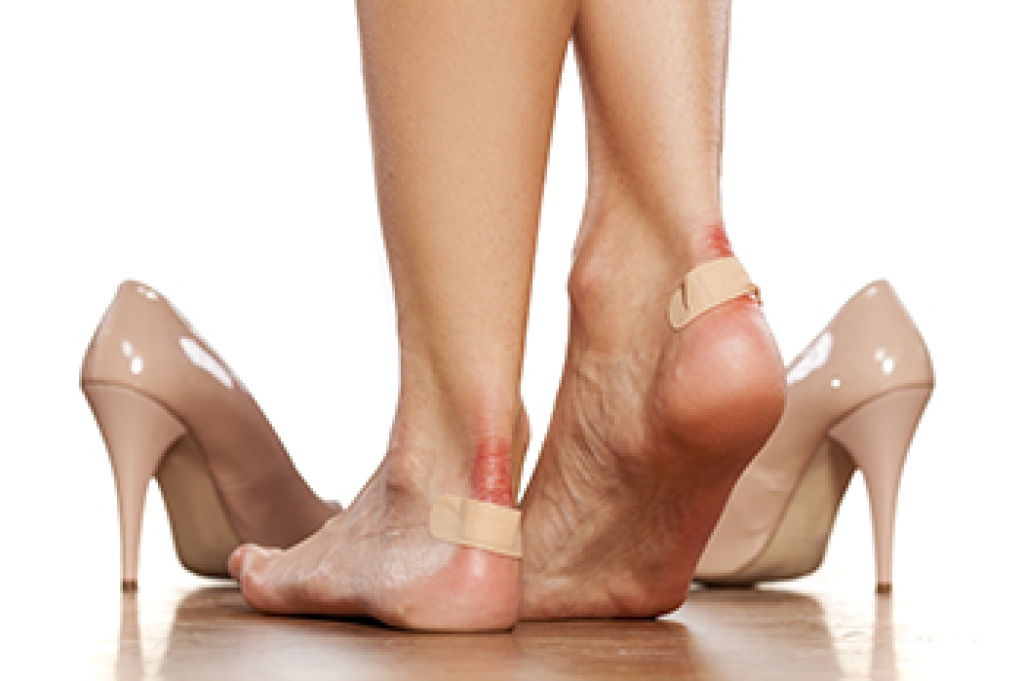
Foot blisters develop as a result of constantly wearing tight or ill-fitting footwear. This happens due to the constant rubbing from the shoe, which can often lead to pain.

What Are Foot Blisters?

A foot blister is a small fluid-filled pocket that forms on the upper-most layer of the skin. Blisters are filled with clear fluid and can lead to blood drainage or pus if the area becomes infected.

How Do Blisters Form?

Blisters on the feet are often the result of constant friction of skin and material, usually by shoe rubbing. Walking in sandals, boots, or shoes that don’t fit properly for long periods of time can result in a blister. Having consistent foot moisture and humidity can easily lead to blister formation.

Prevention & Treatment

It is important to properly care for the affected area in order to prevent infection and ease the pain. Do not lance the blister and use a Band-Aid to provide pain relief. Also, be sure to keep your feet dry and wear proper fitting shoes. If you see blood or pus in a blister, seek assistance from a podiatrist.

If you have any questions, please feel free to contact our offices located in Honolulu and Kahuku, HI . We offer the newest diagnostic and treatment technologies for all your foot care needs.
Read more about Blisters

Serious Foot Wounds May Not Cause Pain in Diabetes

Foot problems do not always feel the same, even when they are serious. In people with poor circulation, extra pressure on the feet often causes pain. In those with diabetes and nerve damage, that same pressure may lead to open sores without any discomfort. This difference can delay care and allow wounds to worsen. Circulation issues usually begin in larger blood vessels higher in the leg, while diabetes-related changes often affect smaller vessels in the lower leg and foot. Diabetes can also cause stiffened vessels and tiny areas of low oxygen in the skin, further limiting healing. Because feeling is reduced, a lack of pain does not mean a lack of danger. Care must focus on relieving pressure and treating wounds early, while also checking blood flow. If you have diabetes and notice changes in your feet, it is suggested that you see a podiatrist for a thorough evaluation and appropriate care.

Peripheral artery disease can pose a serious risk to your health. It can increase the risk of stroke and heart attack. If you have symptoms of peripheral artery disease, consult with Darren Day, DPM from Hawaii. Our doctor will assess your condition and provide you with quality foot and ankle treatment.

Peripheral artery disease (PAD) is when arteries are constricted due to plaque (fatty deposits) build-up. This results in less blood flow to the legs and other extremities. The main cause of PAD is atherosclerosis, in which plaque builds up in the arteries.

Symptoms

Symptoms of PAD include:

  • Claudication (leg pain from walking)
  • Numbness in legs
  • Decrease in growth of leg hair and toenails
  • Paleness of the skin
  • Erectile dysfunction
  • Sores and wounds on legs and feet that won’t heal
  • Coldness in one leg

It is important to note that a majority of individuals never show any symptoms of PAD.

Diagnosis

While PAD occurs in the legs and arteries, Podiatrists can diagnose PAD. Podiatrists utilize a test called an ankle-brachial index (ABI). An ABI test compares blood pressure in your arm to you ankle to see if any abnormality occurs. Ultrasound and imaging devices may also be used.

Treatment

Fortunately, lifestyle changes such as maintaining a healthy diet, exercising, managing cholesterol and blood sugar levels, and quitting smoking, can all treat PAD. Medications that prevent clots from occurring can be prescribed. Finally, in some cases, surgery may be recommended.

If you have any questions, please feel free to contact our offices located in Honolulu and Kahuku, HI . We offer the newest diagnostic and treatment technologies for all your foot care needs.
Read more about Peripheral Artery Disease

Heel Pain in the Morning?

Heel pain can negatively affect your day-to-day life. Simple activities like walking can become incredibly uncomfortable or painful due to heel pain.

Don’t live with heel pain and get treated.

Connect With Us

Like Us on Facebook
Follow Us on Twitter
Review Us on Google

Affiliated With

Affiliated with Ko'olauloa Health Center Logo
Affiliated with The Queens Medical Center Logo
Advanced Podiatric Procedures & Services in the Honolulu County, HI: Honolulu (Manoa, Kaneohe, Waikiki, Aiea, Waimalu, Moanalua, Kailua, Maunawili, Pearl City, Waipahu, Ahuimanu, Hawaii Kai, Waialae - Kahala) and North Shore (Kahuku, Laie, Hauula, Kawela Bay, Pupukea, Punaluu, Kaaawa, Haleiwa, Waialua, Koolauloa) areas