Understanding Tarsal Tunnel Syndrome and Foot Nerve Pain

Tarsal tunnel syndrome is a nerve condition that develops when the tibial nerve becomes compressed. This happens as it passes through a narrow space on the inside of the ankle called the tarsal tunnel. The pressure can interfere with normal nerve function and lead to ongoing foot discomfort. The condition may be associated with injuries, swelling, or changes in the structures surrounding the nerve. Some people develop symptoms gradually. Others notice discomfort after an ankle injury or increased stress on the foot. Because several foot and ankle conditions can produce similar symptoms, an accurate diagnosis is essential. Early evaluation by a podiatrist can help identify the cause of nerve compression and support timely treatment before symptoms become more severe.


Symptoms of tarsal tunnel syndrome vary, depending on the amount of pressure placed on the nerve. Many people experience burning pain, tingling, or numbness along the inside of the ankle or the bottom of the foot. Others notice sharp, shooting pain that may spread into the toes or heel. Symptoms often become more noticeable after prolonged standing or walking and may gradually interfere with daily activities. As the condition progresses, some individuals also develop weakness in the affected foot. Persistent nerve irritation should not be ignored because ongoing compression may affect normal sensation and foot function. A thorough examination is important to determine whether tarsal tunnel syndrome or another condition is responsible for the symptoms.


A podiatrist specializes in diagnosing and treating conditions that affect the feet, ankles, and surrounding nerves. During an examination, the podiatrist evaluates your symptoms, foot structure, and walking mechanics while looking for signs of nerve compression. Additional testing may be recommended to confirm the diagnosis and rule out other causes of foot pain. Treatment focuses on relieving pressure on the nerve, improving foot function, and reducing discomfort. If you are experiencing burning foot pain, tingling, or numbness that may be related to tarsal tunnel syndrome, it is suggested that you consult a podiatrist for an evaluation and appropriate treatment options.

Tarsal tunnel syndrome can be very uncomfortable to live with. If you are experiencing tarsal tunnel syndrome, contact Darren Day, DPM of Hawaii. Our doctor can provide the care you need to keep you pain-free and on your feet.

Tarsal Tunnel Syndrome

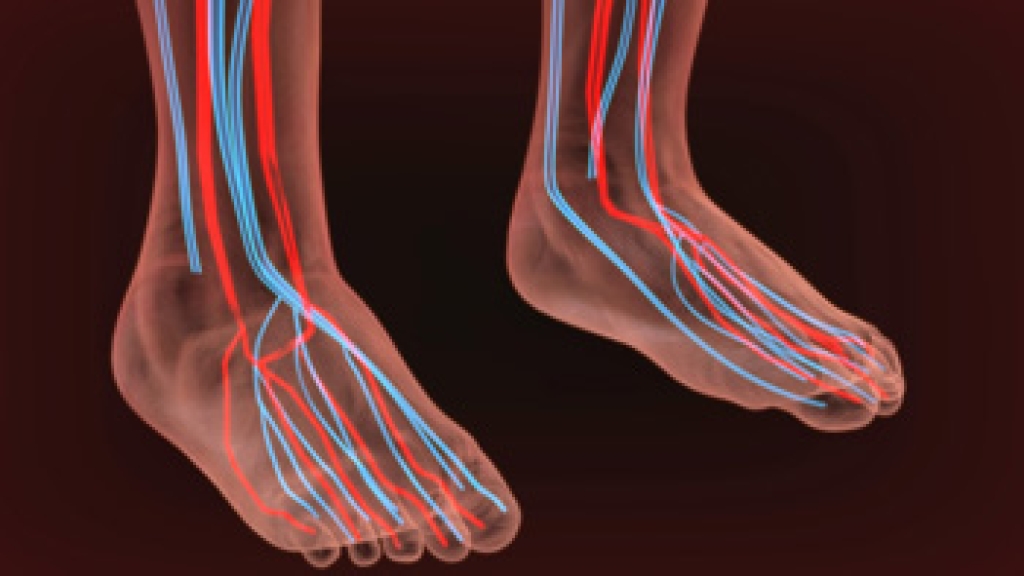
Tarsal tunnel syndrome, which can also be called tibial nerve dysfunction, is an uncommon condition of misfiring peripheral nerves in the foot. The tibial nerve is the peripheral nerve in the leg responsible for sensation and movement of the foot and calf muscles. In tarsal tunnel syndrome, the tibial nerve is damaged, causing problems with movement and feeling in the foot of the affected leg.

Common Cause of Tarsal Tunnel Syndrome

  • Involves pressure or an injury, direct pressure on the tibial nerve for an extended period of time, sometimes caused by other body structures close by or near the knee.
  • Diseases that damage nerves, including diabetes, may cause tarsal tunnel syndrome.
  • At times, tarsal tunnel syndrome can appear without an obvious cause in some cases.

The Effects of Tarsal Tunnel Syndrome

  • Different sensations, an afflicted person may experience pain, tingling, burning or other unusual sensations in the foot of the affected leg.
  • The foot muscles, toes and ankle become weaker, and curling your toes or flexing your foot can become difficult.
  • If condition worsens, infections and ulcers may develop on the foot that is experiencing the syndrome.

A physical exam of the leg can help identify the presence of tarsal tunnel syndrome. Medical tests, such as a nerve biopsy, are also used to diagnose the condition. Patients may receive physical therapy and prescriptive medication. In extreme cases, some may require surgery.

If you have any questions please contact our offices located in Honolulu and Kahuku, HI . We offer the newest diagnostic and treatment technologies for all your foot and ankle needs.

Read more about Tarsal Tunnel Syndrome

What Causes Poor Foot Circulation

Poor foot circulation occurs when blood flow to the feet is reduced, limiting the delivery of oxygen and essential nutrients to surrounding tissues. This condition is commonly linked to peripheral vascular disease, a disorder that affects the blood vessels and restricts normal circulation. When blood flow is impaired, the feet may not function optimally and become more susceptible to injury, infection, and delayed healing. Recognizing early warning signs is crucial for maintaining long-term foot health and preventing serious complications.

Common symptoms of poor circulation include persistent coldness in the feet, numbness, and a tingling or “pins and needles” sensation. Some individuals may also experience intermittent pain or cramping, particularly during walking or physical activity. Reduced oxygen supply to the muscles can lead to fatigue, making movement more difficult over time. In addition, the skin on the feet may appear pale, bluish, or discolored, and even minor wounds may take longer than usual to heal. Without proper attention, these symptoms can gradually worsen and impact daily activities.

Several causes and risk factors contribute to poor foot circulation. Peripheral vascular disease is a leading cause and is often associated with narrowed or blocked arteries. Diabetes can further complicate circulation by damaging both blood vessels and nerves. Infections may also impair blood flow due to inflammation in affected tissues. Other contributing factors include smoking, high blood pressure, high cholesterol, and a sedentary lifestyle. Identifying and addressing these risks is essential for effective prevention and management.

Maintaining healthy circulation is vital for mobility, comfort, and overall foot function. Early intervention, combined with lifestyle changes and proper medical care, can significantly improve blood flow and tissue health. If you have symptoms of poor foot circulation, it is suggested that you consult a podiatrist to explore effective relief and management solutions.

Poor circulation is a serious condition and needs immediate medical attention. If you have any concerns with poor circulation in your feet contact Darren Day, DPM of Hawaii. Our doctor will treat your foot and ankle needs.

Poor Circulation in the Feet

Poor blood circulation in the feet and legs is can be caused by peripheral artery disease (PAD), which is the result of a buildup of plaque in the arteries.

Plaque buildup or atherosclerosis results from excess calcium and cholesterol in the bloodstream. This can restrict the amount of blood which can flow through the arteries. Poor blood circulation in the feet and legs are sometimes caused by inflammation in the blood vessels, known as vasculitis.

Causes

Lack of oxygen and oxygen from poor blood circulation restricts muscle growth and development. It can also cause:

  • Muscle pain, stiffness, or weakness 
  • Numbness or cramping in the legs
  • Skin discoloration
  • Slower nail & hair growth
  • Erectile dysfunction

Those who have diabetes or smoke are at greatest risk for poor circulation, as are those who are over 50. If you have poor circulation in the feet and legs it may be caused by PAD and is important to make changes to your lifestyle in order to reduce risk of getting a heart attack or stroke. Exercise and maintaining a healthy lifestyle will dramatically improve conditions.

As always, see a podiatrist as he or she will assist in finding a regimen that suits you. A podiatrist can also prescribe you any needed medication. 

If you have any questions, please feel free to contact our offices located in Honolulu and Kahuku, HI . We offer the newest diagnostic and treatment technologies for all your foot care needs.

Read more about Causes, Symptoms, and Treatment of Poor Blood Circulation in the Feet

Gout and Foot Pain

Gout is a type of inflammatory arthritis that often affects the foot, especially the joint at the base of the big toe. It develops when high levels of uric acid in the blood form tiny crystals inside a joint. These crystals can trigger sudden episodes of severe pain, swelling, and redness. During a gout flare, the affected joint may also feel warm and become extremely sensitive to touch. Although symptoms often begin in the big toe, gout can also affect the ankles, heels, or other joints in the feet. The pain may come on quickly, sometimes during the night, and make walking difficult. Because other foot conditions can cause similar symptoms, a professional evaluation is important for an accurate diagnosis.


A podiatrist can examine the affected foot and determine whether gout may be causing your symptoms. During the evaluation, the podiatrist checks the painful joint, reviews your medical history, and may recommend additional testing to confirm the diagnosis. Treatment depends on the severity of the condition and whether other foot problems are present. Professional gout treatment focuses on reducing joint damage, improving comfort, and helping restore normal foot function. A podiatrist can also monitor changes over time and work with your primary healthcare provider when ongoing medical management is needed. Early treatment may help reduce the risk of repeated flare-ups and lasting joint damage.


Professional podiatry care plays an important role in managing foot pain caused by gout. Prompt evaluation can help identify the condition before repeated attacks lead to long-term joint problems or changes in foot function. A podiatrist develops a treatment plan based on your symptoms and overall foot health while monitoring your recovery. Professional foot care can also improve comfort and support better mobility during everyday activities. If you have sudden pain, swelling, or redness in your big toe or foot, it is suggested that you consult a podiatrist for an evaluation.

Gout is a painful condition that can be treated. If you are seeking treatment, contact Darren Day, DPM from Hawaii. Our doctor will treat your foot and ankle needs.

What Is Gout?

Gout is a form of arthritis that is characterized by sudden, severe attacks of pain, redness, and tenderness in the joints. The condition usually affects the joint at the base of the big toe. A gout attack can occur at any random time, such as the middle of the night while you are asleep.

Symptoms

  • Intense Joint Pain - Usually around the large joint of your big toe, and it most severe within the first four to twelve hours
  • Lingering Discomfort - Joint discomfort may last from a few days to a few weeks
  • Inflammation and Redness -Affected joints may become swollen, tender, warm and red
  • Limited Range of Motion - May experience a decrease in joint mobility

Risk Factors

  • Genetics - If family members have gout, you’re more likely to have it
  • Medications - Diuretic medications can raise uric acid levels
  • Gender/Age - Gout is more common in men until the age of 60. It is believed that estrogen protects women until that point
  • Diet - Eating red meat and shellfish increases your risk
  • Alcohol - Having more than two alcoholic drinks per day increases your risk
  • Obesity - Obese people are at a higher risk for gout

Prior to visiting your podiatrist to receive treatment for gout, there are a few things you should do beforehand. If you have gout you should write down your symptoms--including when they started and how often you experience them, important medical information you may have, and any questions you may have. Writing down these three things will help your podiatrist in assessing your specific situation so that he or she may provide the best route of treatment for you.

If you have any questions, please feel free to contact our offices located in Honolulu and Kahuku, HI . We offer the newest diagnostic and treatment technologies for all your foot care needs.

Read more about Gout

What Swollen Feet and Ankles May Mean

Swelling in the feet can make daily activities uncomfortable and may signal an underlying problem that needs medical attention. Swelling usually develops when excess fluid collects in the soft tissues of the feet and ankles. Some people notice mild puffiness at the end of the day, while others experience significant enlargement that affects comfort and mobility. Swelling can occur in one foot or both feet. It sometimes develops after an injury, but it can also be linked to health conditions that affect circulation and fluid balance. When swelling is persistent, painful, or unexplained, a thorough evaluation is important.

Several factors can contribute to swollen feet and ankles. Foot and ankle injuries frequently cause swelling because damaged tissues trigger inflammation and fluid accumulation. Arthritis, gout, and infections can also produce redness, pain, and swelling. Problems involving circulation may cause fluid to collect in the lower legs and feet. Certain medications are associated with swelling as well. Pregnancy can increase fluid retention and place additional pressure on the lower extremities. Standing or sitting for long periods of time can also contribute to swelling. When only one foot is affected, a local issue like an injury is often responsible. Swelling in both feet sometimes suggests a condition affecting the body more broadly.

A podiatrist can evaluate swelling by reviewing symptoms, performing a physical examination, and ordering diagnostic tests. These tests can include X-rays, imaging studies, or laboratory testing to identify the source of the problem. Treatment focuses on addressing the underlying cause rather than simply reducing the visible swelling. Care can include managing injuries, treating infections, and addressing joint conditions. In certain situations, surgery is recommended when structural damage contributes to ongoing symptoms. Some causes of swelling become more serious when left untreated. If you have unexplained swelling in the feet and ankles, it is suggested that you schedule an appointment with a podiatrist for an accurate diagnosis and appropriate treatment.

Swollen feet can be a sign of an underlying condition. If you have any concerns, contact Darren Day, DPM of Hawaii. Our doctor can provide the care you need to keep you pain-free and on your feet.

Swollen feet are a common ailment among pregnant women and people who stand or sit for extended periods. Aging may increase the possibility of swollen feet and patients who are obese often notice when their feet are swelling too. There may be medical reasons why swollen feet occur:

  • Phlebitis - A condition that causes the veins to become inflamed and can also cause leg pain.
  • Liver disease - This may lead to low blood levels of albumin which is a protein. This can cause fluid in the blood to pass into the tissues and several areas of the body can become swollen.
  • Heart failure - When the heart doesn’t pump properly the blood that is normally pumped back to the heart can pool in the veins of the legs causing swollen feet.
  • Kidney disease - One of the main functions of the kidneys is releasing excess fluid in the body. This type of condition can make it difficult for the kidneys to function properly, and as a result the feet may become swollen.
  • Deep-vein thrombosis (DVT)- This is a serious condition where blood clots form in the veins of the legs. They can block the return of blood from the legs to the heart which may cause the feet to swell. It is important to be treated by a podiatrist if this condition is present.

Swollen feet can also be caused by bone and tendon conditions, including fractures, arthritis, and tendinitis. Additionally, there may be skin and toenail conditions and an infection may cause the feet to swell. Patients who take medicine to treat high blood pressure may be prone to getting swollen feet. 

Many patients elevate their feet to help relieve the swelling and this is generally a temporary remedy. When a podiatrist is consulted the reason behind the swelling can be uncovered and subsequently treated.

If you have any questions please contact our offices located in Honolulu and Kahuku, HI . We offer the newest diagnostic and treatment technologies for all your foot and ankle needs.

Read more about Swelling of the Feet

Let the Expert Treat Your Ingrown Toenails

Ingrown toenails can be painful and can make wearing shoes or walking uncomfortable. Seek professional help if you believe you've developed an ingrown toenail and be treated safely. 

Connect With Us

Like Us on Facebook
Review Us on Google

Affiliated With

Affiliated with Ko'olauloa Health Center Logo
Affiliated with The Queens Medical Center Logo
The Clinic at Kahuku Medical Center Logo
Advanced Podiatric Procedures & Services in the Honolulu County, HI: Honolulu (Manoa, Kaneohe, Waikiki, Aiea, Waimalu, Moanalua, Kailua, Maunawili, Pearl City, Waipahu, Ahuimanu, Hawaii Kai, Waialae - Kahala) and North Shore (Kahuku, Laie, Hauula, Kawela Bay, Pupukea, Punaluu, Kaaawa, Haleiwa, Waialua, Koolauloa) areas