Broken Toe Causes and Risk Factors

A broken toe is a foot injury that occurs when one of the small bones in the toe becomes fractured. This condition can result from direct trauma, such as stubbing the toe, or from prolonged repetitive movements that place stress on the bones. Stress fractures are tiny cracks in the bone that develop gradually due to repeated impact, often seen in athletes or individuals who spend long hours on their feet. Weakened bones, which may occur due to aging or certain health conditions, can also increase the risk of a fracture. Understanding how broken toes develop can help individuals recognize the condition early and take appropriate action.

Symptoms of a broken toe often appear quickly after injury. Bruising and swelling commonly develop around the affected area, making the toe tender to touch. In some cases, the toe may appear bent or deformed, which can indicate a more serious fracture. Limited movement and stiffness may also occur, especially if the injury is not addressed promptly. These symptoms can interfere with daily activities and should not be ignored.


Several risk factors can increase the likelihood of a broken toe. Individuals who engage in repetitive high-impact activities such as running or jumping are more prone to stress fractures. Wearing improper footwear that lacks support or protection can also contribute to injury. Weakened bones caused by nutritional deficiencies or reduced bone density may make fractures more likely, even with minor trauma. Environments with uneven surfaces or cluttered spaces can further increase the risk of accidental impact.


Preventing broken toes involves taking practical steps to protect foot health. Wearing well-fitted shoes with adequate support can reduce the risk of injury during daily activities and exercise. If you notice persistent pain or visible changes in the toe, it is important to seek podiatric care. If you have broken a toe, it is suggested that you consult a podiatrist for effective relief and treatment solutions. 

Broken toes may cause a lot of pain and should be treated as soon as possible. If you have any concerns about your feet, contact Darren Day, DPM from Hawaii. Our doctor will treat your foot and ankle needs.

What Is a Broken Toe?

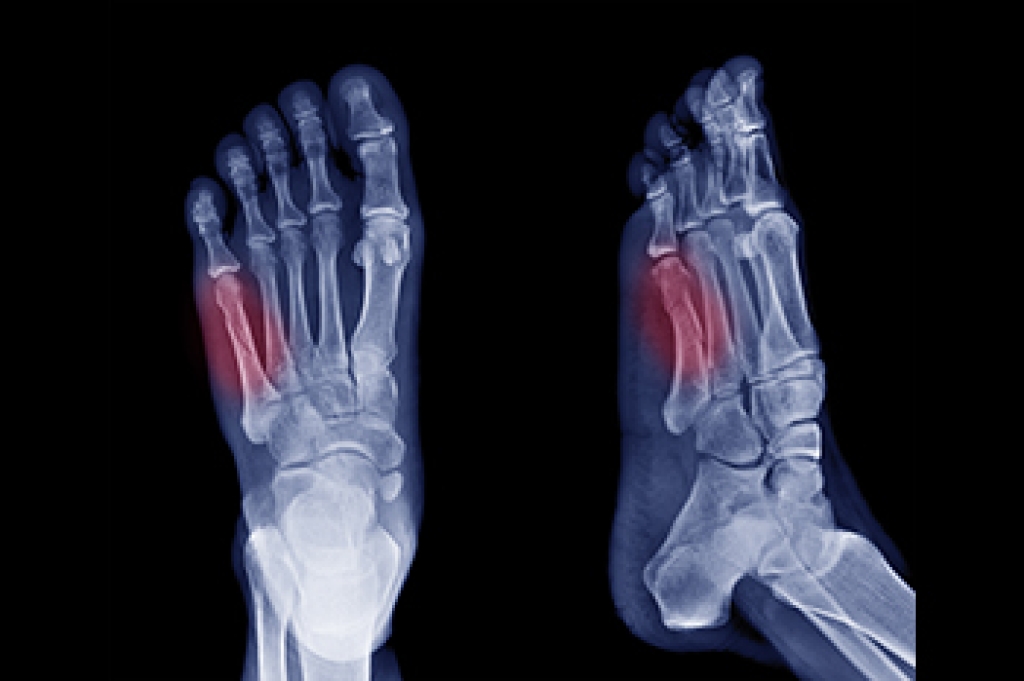
A broken toe occurs when one or more of the toe bones of the foot are broken after an injury. Injuries such as stubbing your toe or dropping a heavy object on it may cause a toe fracture.

Symptoms of a Broken Toe

  • Swelling
  • Pain (with/without wearing shoes)
  • Stiffness
  • Nail Injury

Although the injured toe should be monitored daily, it is especially important to have a podiatrist look at your toe if you have severe symptoms. Some of these symptoms include worsening or new pain that is not relieved with medication, sores, redness, or open wounds near the toe.

If you have any questions please feel free to contact our offices located in Honolulu and Kahuku, HI . We offer the newest diagnostic tools and technology to treat your foot and ankle needs.

Read more about What to Know About a Broken Toe

Podiatric Treatment for Ankle Pain

Ankle pain can make standing, walking, and other daily activities difficult. The ankle contains bones, joints, and soft tissues that work together to support body weight and movement. Pain can occur after an injury or a change in activity. Symptoms can include swelling, stiffness, and tenderness. Some patients also experience numbness or tingling. Pain can sometimes come from another area of the body, which is called referred pain. Changes in foot structure, excess body weight, or shoes that lack proper support can also place extra stress on the ankle.

Ankle sprains are one possible cause of pain. A sprain happens when the ankle rolls, twists, or turns forcefully and damages supporting ligaments. Most sprains occur when the foot twists inward, causing pain around the outside of the ankle. Fractures can also cause ankle pain, especially after a hard impact or fall. Achilles tendon problems can develop after a sudden increase in training or a new activity. The Achilles tendon connects the calf muscles to the heel and helps raise the heel when walking or running. Arthritis can also affect the ankle joint and contribute to pain or stiffness.

A podiatrist can evaluate ankle pain by examining the painful area and checking how the foot and ankle move. The assessment can consider walking patterns, joint movement, and foot structure. A podiatrist can determine whether shoes or abnormal foot mechanics are placing added stress on the ankle. Treatment can include supportive devices, shoe recommendations, and targeted movement guidance. Custom orthotics can also help control abnormal foot movement when appropriate. Severe tenderness over a bone or an inability to put weight on the ankle can indicate a more serious injury. If you have symptoms of ankle pain, it is suggested that you schedule an appointment with a podiatrist for diagnosis and treatment.

Ankle pain can have many different causes and the pain may potentially be serious. If you have ankle pain, consult with Darren Day, DPM from Hawaii. Our doctor will assess your condition and provide you with quality foot and ankle treatment.

Ankle pain is any condition that causes pain in the ankle. Due to the fact that the ankle consists of tendons, muscles, bones, and ligaments, ankle pain can come from a number of different conditions.

Causes

The most common causes of ankle pain include:

  • Types of arthritis (rheumatoid, osteoarthritis, and gout)
  • Ankle sprains
  • Broken ankles
  • Achilles tendinitis
  • Achilles tendon rupture
  • Stress fractures
  • Tarsal tunnel syndrome
  • Plantar fasciitis

Symptoms

Symptoms of ankle injury vary based upon the condition. Pain may include general pain and discomfort, swelling, aching, redness, bruising, burning or stabbing sensations, and/or loss of sensation.

Diagnosis

Due to the wide variety of potential causes of ankle pain, podiatrists will utilize a number of different methods to properly diagnose ankle pain. This can include asking for personal and family medical histories and of any recent injuries. Further diagnosis may include sensation tests, a physical examination, and potentially x-rays or other imaging tests.

Treatment

Just as the range of causes varies widely, so do treatments. Some more common treatments are rest, ice packs, keeping pressure off the foot, orthotics and braces, medication for inflammation and pain, and surgery.

If you have any questions please feel free to contact our offices located in Honolulu and Kahuku, HI . We offer the newest diagnostic tools and technology to treat your foot and ankle needs.

Read more about Various Causes of Ankle Pain

Facts About 5th Metatarsal Fractures

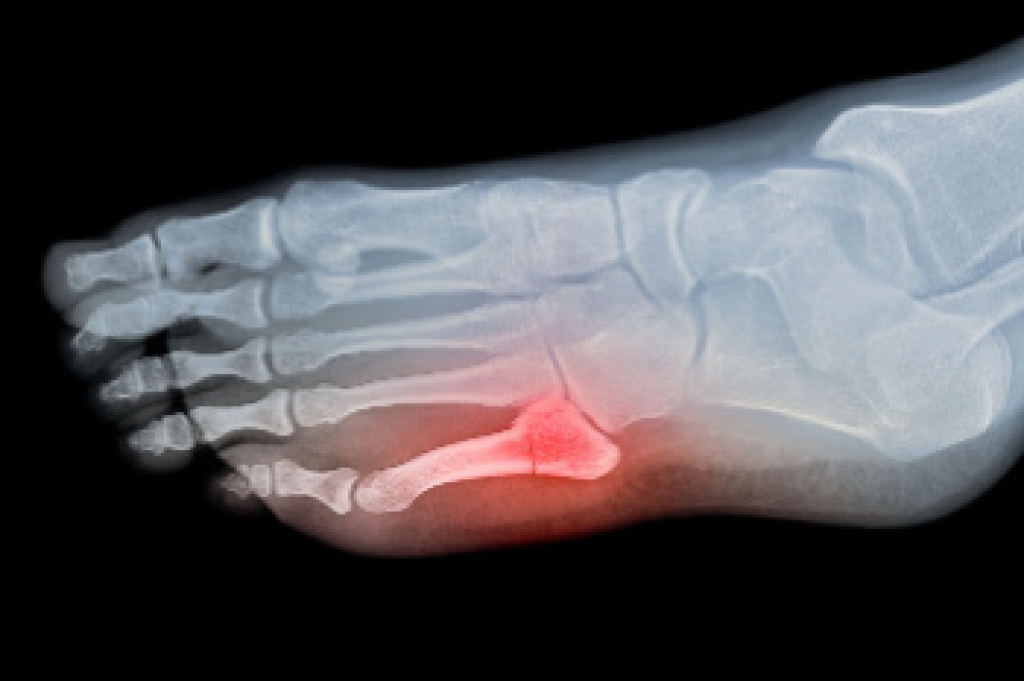
A Jones fracture is a break in the fifth metatarsal bone, which sits along the outside of the foot near the base of the little toe. This injury usually happens after a sudden twist, awkward landing, or forceful change in direction. People who participate in sporting activities that involve running and jumping, as well as dancers, face a higher risk, although anyone can experience this injury after a fall or misstep. It is different from a fracture at the very base of the bone, which has a distinctive healing pattern. Because blood flow to this area is limited, healing can take longer than many other foot fractures. Prompt evaluation helps identify the injury and reduce the risk of healing problems.

Symptoms include pain along the outside of the foot, swelling, bruising, and difficulty putting weight on the injured foot. Some patients hear or feel a snap when the injury happens. A podiatrist examines the foot, asks how the injury occurred, and orders X-rays to confirm the diagnosis. Advanced imaging is sometimes recommended when the fracture is difficult to see or another injury is suspected. Early diagnosis is important because a Jones fracture can fail to heal properly without appropriate treatment.

Treatment depends on the location of the break, the position of the bone, and a patient's activity level. Care includes a cast or walking boot and careful monitoring with follow-up examinations and imaging. Some fractures require surgery to improve bone alignment and increase the chance of successful healing. Regular follow-up visits allow the podiatrist to check healing progress and decide when normal activities can safely resume. Careful evaluation also helps distinguish a Jones fracture from other fractures affecting the fifth metatarsal because treatment recommendations are different for each injury. If you have symptoms of a Jones fracture, it is suggested that you schedule an appointment with a podiatrist for a diagnosis and appropriate treatment.

A broken foot requires immediate medical attention and treatment. If you need your feet checked, contact Darren Day, DPM from Hawaii. Our doctor can provide the care you need to keep you pain-free and on your feet.

Broken Foot Causes, Symptoms, and Treatment

A broken foot is caused by one of the bones in the foot typically breaking when bended, crushed, or stretched beyond its natural capabilities. Usually the location of the fracture indicates how the break occurred, whether it was through an object, fall, or any other type of injury. 

Common Symptoms of Broken Feet:

  • Bruising
  • Pain
  • Redness
  • Swelling
  • Blue in color
  • Numbness
  • Cold
  • Misshapen
  • Cuts
  • Deformities

Those that suspect they have a broken foot shoot seek urgent medical attention where a medical professional could diagnose the severity.

Treatment for broken bones varies depending on the cause, severity and location. Some will require the use of splints, casts or crutches while others could even involve surgery to repair the broken bones. Personal care includes the use of ice and keeping the foot stabilized and elevated.

If you have any questions, please feel free to contact our offices located in Honolulu and Kahuku, HI . We offer the newest diagnostic and treatment technologies for all your foot care needs.

Read more about Causes, Symptoms, and Treatment for a Broken Foot

Keep Your Feet Healthy So You Can Stay Active

Have your feet inspected by a professional before starting a new sport or physical activity. Taking charge of your foot health will keep you in good physical condition and can help you avoid a potential injury, such as a fracture or sprained ankle.

Prevent injuries and see a foot specialist.

Cracked Heels Symptoms and Treatment

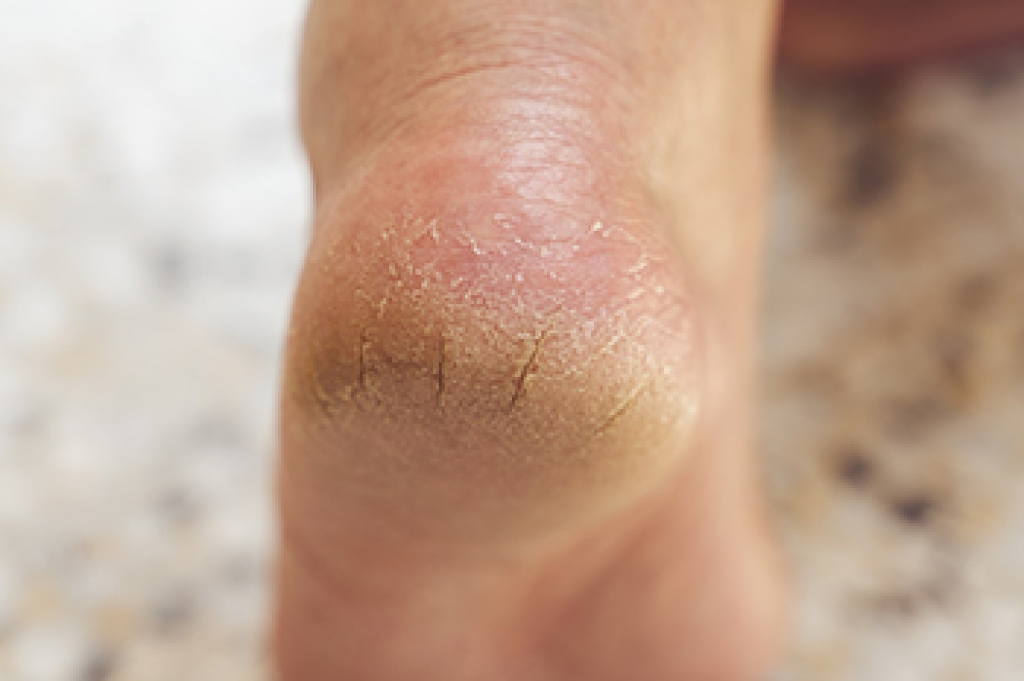
Cracked heels develop when the skin around the heel becomes dry, thick, and less flexible. Some cracks remain shallow, while others become deeper and make daily activities uncomfortable.  As pressure is placed on the heel during standing and walking, the skin may split, creating painful cracks known as fissures. Common symptoms of cracked heels include dry skin, rough patches, and heel pain. In more severe cases, the cracks may bleed or become irritated. People who spend long periods standing or have certain medical conditions may have a greater risk of developing cracked heels. Because untreated cracks can worsen, a professional evaluation is important to determine the severity of the condition and recommend appropriate treatment.


Cracked heels can affect more than comfort. Deep fissures may make walking painful and increase the risk of infection if the skin barrier is damaged. Ongoing heel pain may also change the way a person walks, placing extra stress on the ankles, knees, and hips. This altered movement can contribute to discomfort in other parts of the lower body. A thorough podiatry evaluation helps identify the underlying cause of cracked heels and determine whether additional foot conditions are contributing to the problem. Early diagnosis supports more effective treatment and helps prevent complications.


A podiatrist specializes in diagnosing and treating cracked heels while addressing the factors that contribute to the condition. Professional treatment focuses on reducing discomfort, improving skin health, and restoring normal foot function. A podiatrist also evaluates foot structure and walking mechanics to identify issues that may place excessive pressure on the heels. Early podiatry care can help prevent deeper cracks and reduce the risk of long-term complications. If cracked heels are causing pain or making it difficult to walk comfortably, it is suggested that you consult a podiatrist for an evaluation and appropriate treatment options.

Cracked heels are unsightly and can cause further damage to your shoes and feet. If you have any concerns, contact Darren Day, DPM from Hawaii. Our doctor can provide the care you need to keep you pain-free and on your feet.

Cracked Heels

Cracked heels appear unappealing and can make it harder for you walk around in sandals. Aside from looking unpleasant, cracked heels can also tear stockings, socks, and wear out your shoes. There are several methods to help restore a cracked heel and prevent further damage.

How Do You Get Them?

Dry skin is the number one culprit in creating cracked heels. Many athletes, walkers, joggers, and even swimmers suffer from cracked heels. Age and skin oil production play a role to getting cracked heels as well.

Promote Healing

Over the counter medicines can help, especially for those that need instant relief or who suffer from chronic dry feet.

Wear Socks – Wearing socks with medicated creams helps lock in moisture.

Moisturizers – Applying both day and night will help alleviate dryness which causes cracking.

Pumice Stones – These exfoliate and remove dead skin, which allows for smoother moisturizer application and better absorption into the skin. 

Change in Diet

Eating healthy with a well-balanced diet will give the skin a fresh and radiant look. Your body responds to the kinds of food you ingest. Omega-3 fatty acids and zinc supplements can also revitalize skin tissue.

Most importantly, seek professional help if unsure how to proceed in treating cracked heels. A podiatrist will help you with any questions or information needed. 

If you have any questions, please feel free to contact our offices located in Honolulu and Kahuku, HI . We offer the newest diagnostic and treatment technologies for all your foot care needs.

Read more about Solutions for Cracked Heels

Connect With Us

Like Us on Facebook
Review Us on Google

Affiliated With

Affiliated with Ko'olauloa Health Center Logo
Affiliated with The Queens Medical Center Logo
The Clinic at Kahuku Medical Center Logo
Advanced Podiatric Procedures & Services in the Honolulu County, HI: Honolulu (Manoa, Kaneohe, Waikiki, Aiea, Waimalu, Moanalua, Kailua, Maunawili, Pearl City, Waipahu, Ahuimanu, Hawaii Kai, Waialae - Kahala) and North Shore (Kahuku, Laie, Hauula, Kawela Bay, Pupukea, Punaluu, Kaaawa, Haleiwa, Waialua, Koolauloa) areas