
When Plantar Warts Become a Problem

Plantar warts are harmless skin growths that develop on the bottom of the feet. They form when a virus causes the top layer of the skin to grow quickly. Because plantar warts appear on weight-bearing areas of the foot, they may become painful while walking or standing. Some warts eventually disappear without treatment, although this process can take months or even years. Plantar warts can also spread easily. Touching a wart and then another area of the body may spread the virus, and sharing certain personal items can pass it to other people.


Many plantar warts do not require treatment, but podiatric care may be appropriate when a wart becomes painful or begins to spread. Treatment options vary, depending on the individual and the wart. A podiatrist may prescribe a stronger topical medicine or inject a medication. Plantar warts can also be removed through freezing or a surgical procedure. Changes around a wart should receive medical attention when they suggest an infection. Increased pain, swelling, or warmth may be warning signs. Red streaks, drainage, or fever are other reasons to seek prompt medical care. A wart that does not improve as expected should also be evaluated.


A podiatrist can examine a plantar wart and determine what form of treatment is appropriate, especially when foot pain makes walking uncomfortable. Because podiatrists specialize in foot health, they can assess the affected area and discuss treatment options based on the wart and the patient’s symptoms. Follow-up care is also an important part of monitoring treatment and addressing problems that develop. Seeking podiatric care can be particularly helpful when plantar warts are persistent, spreading, or interfering with normal movement. If a painful plantar wart is making walking difficult or continues to spread, it is suggested that you consult a podiatrist for an evaluation and appropriate treatment options.

Plantar warts can be very uncomfortable. If you need your feet checked, contact Darren Day, DPM from Hawaii. Our doctor will assist you with all of your foot and ankle needs.

About Plantar Warts

Plantar warts are the result of HPV, or human papillomavirus, getting into open wounds on the feet. They are mostly found on the heels or balls of the feet.

While plantar warts are generally harmless, those experiencing excessive pain or those suffering from diabetes or a compromised immune system require immediate medical care. Plantar warts are easily diagnosed, usually through scraping off a bit of rough skin or by getting a biopsy.

Symptoms

  • Lesions on the bottom of your feet, usually rough and grainy
  • Hard or thick callused spots
  • Wart seeds, which are small clotted blood vessels that look like little black spots
  • Pain, discomfort, or tenderness of your feet when walking or standing

Treatment

  • Freezing
  • Electric tool removal
  • Laser Treatment
  • Topical Creams (prescription only)
  • Over-the-counter medications

To help prevent developing plantar warts, avoid walking barefoot over abrasive surfaces that can cause cuts or wounds for HPV to get into. Avoiding direct contact with other warts, as well as not picking or rubbing existing warts, can help prevent the further spread of plantar warts. However, if you think you have developed plantar warts, speak to your podiatrist. He or she can diagnose the warts on your feet and recommend the appropriate treatment options.

If you have any questions, please feel free to contact our offices located in Honolulu and Kahuku, HI . We offer the newest diagnostic and treatment technologies for all your foot care needs.
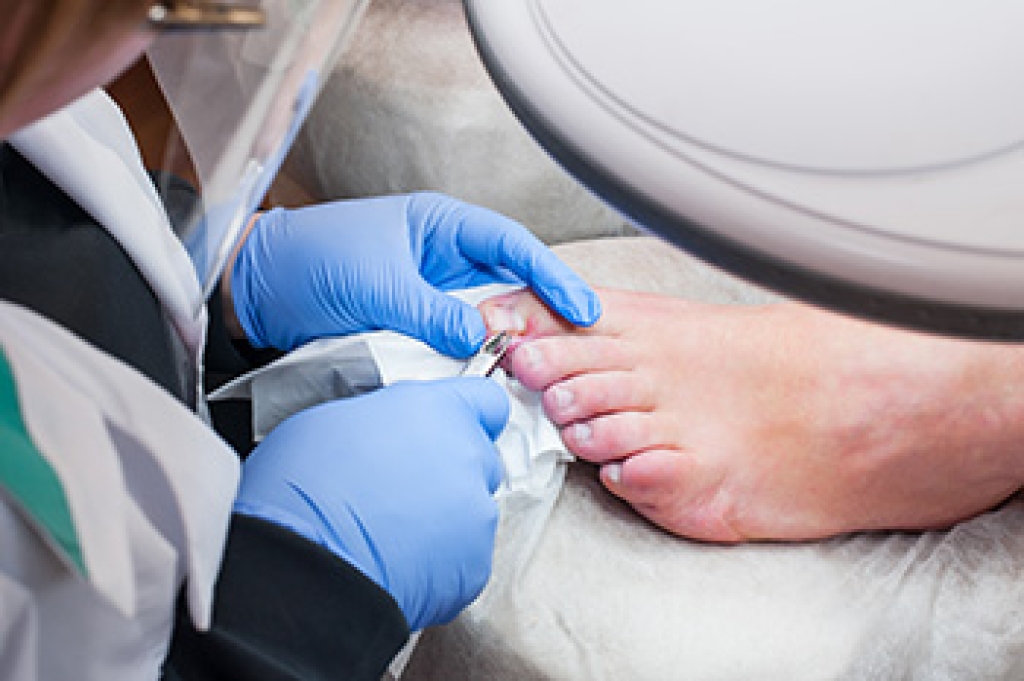
Read more about All About Plantar Warts

Surgery Types for Ingrown Toenails

An ingrown toenail develops when the edge of a toenail grows into the surrounding skin. It most often affects the big toe and can cause pain, tenderness, and swelling. The skin beside the nail may look irritated or raised, while the nail edge can appear buried under the skin. In more advanced cases, drainage or infection may develop.

Several factors can contribute to ingrown toenails. Cutting nails too short or rounding the corners may encourage the nail to grow into the skin. Wearing tight shoes can also create pressure around the toes. Some people are more prone to ingrown toenails because of naturally curved nails, repeated toe injuries, or nail changes. Recognizing these risk factors can help reduce future problems. Proper nail trimming and comfortable footwear may lower pressure around the affected toe.


When an ingrown toenail keeps returning or causes significant pain, a podiatrist may recommend surgery. A partial nail avulsion removes the portion of the nail growing into the skin while leaving the remaining nail in place. A total nail avulsion removes the entire nail and may be considered for certain conditions. A podiatrist may also perform ablation of the nail matrix, which prevents the treated nail portion from growing back. The procedure selected depends on the nail and individual needs.


During treatment, a podiatrist evaluates the toe, checks for infection, and determines the appropriate procedure. Afterward, the toe is dressed and home-care instructions are provided to support healing. Patients may be advised to keep pressure away from the toe and attend follow-up visits. If you have painful ingrown toenails, it is suggested that you consult a podiatrist for an accurate diagnosis and appropriate treatment, which may include minor surgery. 

Foot surgery is sometimes necessary to treat a foot ailment. To learn more, contact Darren Day, DPM of Hawaii. Our doctor will assist you with all of your foot and ankle needs.

When Is Surgery Necessary?

Foot and ankle surgery is generally reserved for cases in which less invasive, conservative procedures have failed to alleviate the problem. Some of the cases in which surgery may be necessary include:

  • Removing foot deformities like bunions and bone spurs
  • Severe arthritis that has caused bone issues
  • Cosmetic reconstruction

What Types of Surgery Are There?

The type of surgery you receive will depend on the nature of the problem you have. Some of the possible surgeries include:

  • Bunionectomy for painful bunions
  • Surgical fusion for realignment of bones
  • Neuropathy decompression surgery to treat nerve damage

Benefits of Surgery

Although surgery is usually a last resort, it can provide more complete pain relief compared to non-surgical methods and may allow you to finally resume full activity.

Surgical techniques have also become increasingly sophisticated. Techniques like endoscopic surgery allow for smaller incisions and faster recovery times.

If you have any questions, please feel free to contact our offices located in Honolulu and Kahuku, HI . We offer the newest diagnostic and treatment technologies for all your foot care needs.

Read more about Foot and Ankle Surgery

Causes of Arch Pain in the Foot

The arch of the foot helps absorb shock, support body weight, and keep the body balanced. Pain in this area can make standing or walking uncomfortable. It can develop suddenly after an injury or begin gradually from repeated strain. The pain can feel sharp, aching, or burning. It may stay in the arch or spread toward the heel and ankle. Some patients notice worse pain with their first steps in the morning. Others feel it after long periods of standing, running, or other weight-bearing activity.

Plantar fasciitis is a frequent cause of arch pain. It affects the strong band of tissue that runs from the heel to the toes and supports the arch. Other causes include flat feet, high arches, and a strained tendon. A tendon is a firm cord that connects muscle to bone. Pain can also result from a stress fracture, which is a small crack in a bone caused by repeated pressure. Sudden increases in activity and shoes that lack proper support can raise the risk. Swelling, tenderness, or changes in foot shape can help point to the underlying problem.

A podiatrist can examine the foot, review when the pain began, and check how the patient stands and walks. The evaluation can also include tests of strength, movement, and balance. It may also reveal areas receiving too much pressure. X-rays or other imaging tests can help identify a fracture or damage to soft tissue. Treatment depends on the cause and severity of the pain. A podiatrist can provide custom orthotics to improve support and reduce strain. Care can also include bracing or a walking boot. Severe problems that do not improve with conservative care may require surgery. Early diagnosis can prevent the condition from worsening and help patients return to comfortable movement. If you have pain in the arch of your foot, it is suggested that you schedule an appointment with a podiatrist for a diagnosis and appropriate treatment.

If you have any concerns about your feet, contact Darren Day, DPM from Hawaii. Our doctor can provide the care you need to keep you pain-free and on your feet.

Biomechanics in Podiatry

Podiatric biomechanics is a particular sector of specialty podiatry with licensed practitioners who are trained to diagnose and treat conditions affecting the foot, ankle and lower leg. Biomechanics deals with the forces that act against the body, causing an interference with the biological structures. It focuses on the movement of the ankle, the foot and the forces that interact with them.

A History of Biomechanics

  • Biomechanics dates back to the BC era in Egypt where evidence of professional foot care has been recorded.
  • In 1974, biomechanics gained a higher profile from the studies of Merton Root, who claimed that by changing or controlling the forces between the ankle and the foot, corrections or conditions could be implemented to gain strength and coordination in the area.

Modern technological improvements are based on past theories and therapeutic processes that provide a better understanding of podiatric concepts for biomechanics. Computers can provide accurate information about the forces and patterns of the feet and lower legs.

Understanding biomechanics of the feet can help improve and eliminate pain, stopping further stress to the foot.

If you have any questions please feel free to contact our offices located in Honolulu and Kahuku, HI . We offer the newest diagnostic and treatment technologies for all your foot and ankle needs.

Read more about The Importance of Biomechanics in Podiatry

Managing Foot Arthritis With Podiatrist Care

Foot arthritis can cause pain, stiffness, and reduced movement in different parts of the foot. Arthritis develops when a joint becomes damaged or irritated, which can make normal movement uncomfortable. The foot contains many small joints, so arthritis can affect the toes, middle of the foot, or ankle. Some people notice pain while walking, standing, or moving the affected joint. Stiffness can also make it harder to move the foot normally. Symptoms vary, depending on the joint involved and the type of arthritis. A podiatrist can examine the foot and determine which areas are affected. An evaluation can also help identify whether arthritis or another foot problem is causing the symptoms. 

A podiatrist can create a treatment plan based on the location and severity of foot arthritis. Care can include treatments that reduce pressure on painful joints, support proper foot movement, and improve comfort while walking. A podiatrist can also evaluate how the shape and movement of the foot affect painful areas. Wearing shoes that lack proper support can place additional stress on certain parts of the foot, so a podiatrist can discuss footwear choices that better support the affected area. Treatment can also focus on maintaining movement and reducing the effect arthritis has on daily activities.

When foot arthritis causes persistent pain or limits normal activity, a podiatrist can discuss additional treatment options. These options depend on the affected joint, the severity of symptoms, and how well the foot responds to initial care. In some cases, injections can help reduce pain and inflammation. Surgery can also be considered when severe arthritis causes significant pain or makes movement difficult. A podiatrist can explain the available options and help determine which approach fits the condition of the foot. Getting an evaluation can help identify the source of symptoms and provide a clear plan for treatment. If you have symptoms of foot arthritis, it is suggested that you schedule an appointment with a podiatrist for effective relief and management solutions. 

Arthritis can be a difficult condition to live with. If you are seeking treatment, contact Darren Day, DPM from Hawaii. Our doctor can provide the care you need to keep you pain-free and on your feet.

Arthritic Foot Care  

Arthritis is a term that is commonly used to describe joint pain.  The condition itself can occur to anyone of any age, race, or gender, and there are over 100 types of it.  Nevertheless, arthritis is more commonly found in women compared to men, and it is also more prevalent in those who are overweight. The causes of arthritis vary depending on which type of arthritis you have. Osteoarthritis for example, is often caused by injury, while rheumatoid arthritis is caused by a misdirected immune system.

Symptoms

  • Swelling
  • Pain
  • Stiffness
  • Decreased Range of Motion

Arthritic symptoms range in severity, and they may come and go. Some symptoms stay the same for several years but could potentially get worse with time. Severe cases of arthritis can prevent its sufferers from performing daily activities and make walking difficult.

Risk Factors

  • Occupation – Occupations requiring repetitive knee movements have been linked to osteoarthritis
  • Obesity – Excess weight can contribute to osteoarthritis development
  • Infection – Microbial agents can infect the joints and trigger arthritis
  • Joint Injuries – Damage to joints may lead to osteoarthritis
  • Age – Risk increases with age
  • Gender –Most types are more common in women
  • Genetics – Arthritis can be hereditary

If you suspect your arthritis is affecting your feet, it is crucial that you see a podiatrist immediately. Your doctor will be able to address your specific case and help you decide which treatment method is best for you.

If you have any questions please feel free to contact our offices located in Honolulu and Kahuku, HI . We offer the newest diagnostic tools and technology to treat your foot and ankle needs.

Read more about How to Care for Your Arthritic Foot

We Can Treat Your Foot or Ankle Pain

Foot or ankle pain can negatively affect your day-to-day life and can occur due to several different conditions. Pain can also be an indicator of a more serious underlying condition, which is why you should seek professional help as soon as you notice any abnormalities in your feet.

Connect With Us

Like Us on Facebook
Review Us on Google

Affiliated With

Affiliated with Ko'olauloa Health Center Logo
Affiliated with The Queens Medical Center Logo
The Clinic at Kahuku Medical Center Logo
Advanced Podiatric Procedures & Services in the Honolulu County, HI: Honolulu (Manoa, Kaneohe, Waikiki, Aiea, Waimalu, Moanalua, Kailua, Maunawili, Pearl City, Waipahu, Ahuimanu, Hawaii Kai, Waialae - Kahala) and North Shore (Kahuku, Laie, Hauula, Kawela Bay, Pupukea, Punaluu, Kaaawa, Haleiwa, Waialua, Koolauloa) areas