Items filtered by date: October 2025
Calcaneal Osteomyelitis From a Puncture Wound

Calcaneal osteomyelitis is a serious bone infection in the heel that can develop after a puncture wound to the foot. When bacteria enter through a deep wound, they can reach the bone and cause inflammation, pain, swelling, and difficulty walking. Early care is vital to prevent serious complications. Cleaning the wound thoroughly, avoiding pressure on the heel, and seeking prompt medical attention from a podiatrist can reduce the risk of infection. This foot doctor can diagnose the condition through imaging tests and provide treatment that may include antibiotics, wound care, and surgical management, if necessary. If you have sustained a puncture wound on your foot, it is suggested that you schedule an appointment with a podiatrist who can provide an examination and offer appropriate treatment.
Wound care is an important part in dealing with diabetes. If you have diabetes and a foot wound or would like more information about wound care for diabetics, consult with Darren Day, DPM from Hawaii. Our doctor will assess your condition and provide you with quality foot and ankle treatment.
What Is Wound Care?
Wound care is the practice of taking proper care of a wound. This can range from the smallest to the largest of wounds. While everyone can benefit from proper wound care, it is much more important for diabetics. Diabetics often suffer from poor blood circulation which causes wounds to heal much slower than they would in a non-diabetic.
What Is the Importance of Wound Care?
While it may not seem apparent with small ulcers on the foot, for diabetics, any size ulcer can become infected. Diabetics often also suffer from neuropathy, or nerve loss. This means they might not even feel when they have an ulcer on their foot. If the wound becomes severely infected, amputation may be necessary. Therefore, it is of the upmost importance to properly care for any and all foot wounds.
How to Care for Wounds
The best way to care for foot wounds is to prevent them. For diabetics, this means daily inspections of the feet for any signs of abnormalities or ulcers. It is also recommended to see a podiatrist several times a year for a foot inspection. If you do have an ulcer, run the wound under water to clear dirt from the wound; then apply antibiotic ointment to the wound and cover with a bandage. Bandages should be changed daily and keeping pressure off the wound is smart. It is advised to see a podiatrist, who can keep an eye on it.
If you have any questions please contact our offices located in Honolulu and Kahuku, HI . We offer the newest diagnostic and treatment technologies for all your foot and ankle needs.
Plantar Heel Pain May Indicate Plantar Fasciitis

Plantar heel pain is most often caused by plantar fasciitis, an inflammation of the thick band of tissue that runs along the bottom of the foot connecting the heel to the toes. This condition develops when the fascia is strained from overuse or stress. Risk factors include limited ankle dorsiflexion, or the upward bending motion of the foot, obesity, flat feet, and standing for long periods of time, all of which increase pressure on the heel. Symptoms usually involve sharp pain with the first steps in the morning or after rest. A podiatrist can evaluate the cause, provide treatments such as targeted stretching exercises, orthotics, and footwear guidance, and help prevent recurrence. If you suffer from persistent heel pain, it is strongly suggested that you promptly consult a podiatrist who can accurately diagnose and treat plantar fasciitis.
Plantar fasciitis is a common foot condition that is often caused by a strain injury. If you are experiencing heel pain or symptoms of plantar fasciitis, contact Darren Day, DPM from Hawaii. Our doctor can provide the care you need to keep you pain-free and on your feet.
What Is Plantar Fasciitis?
Plantar fasciitis is one of the most common causes of heel pain. The plantar fascia is a ligament that connects your heel to the front of your foot. When this ligament becomes inflamed, plantar fasciitis is the result. If you have plantar fasciitis you will have a stabbing pain that usually occurs with your first steps in the morning. As the day progresses and you walk around more, this pain will start to disappear, but it will return after long periods of standing or sitting.
What Causes Plantar Fasciitis?
- Excessive running
- Having high arches in your feet
- Other foot issues such as flat feet
- Pregnancy (due to the sudden weight gain)
- Being on your feet very often
There are some risk factors that may make you more likely to develop plantar fasciitis compared to others. The condition most commonly affects adults between the ages of 40 and 60. It also tends to affect people who are obese because the extra pounds result in extra stress being placed on the plantar fascia.
Prevention
- Take good care of your feet – Wear shoes that have good arch support and heel cushioning.
- Maintain a healthy weight
- If you are a runner, alternate running with other sports that won’t cause heel pain
There are a variety of treatment options available for plantar fasciitis along with the pain that accompanies it. Additionally, physical therapy is a very important component in the treatment process. It is important that you meet with your podiatrist to determine which treatment option is best for you.
If you have any questions, please feel free to contact our offices located in Honolulu and Kahuku, HI . We offer the newest diagnostic and treatment technologies for all your foot care needs.
Risks and Causes of MTP Joint Pain

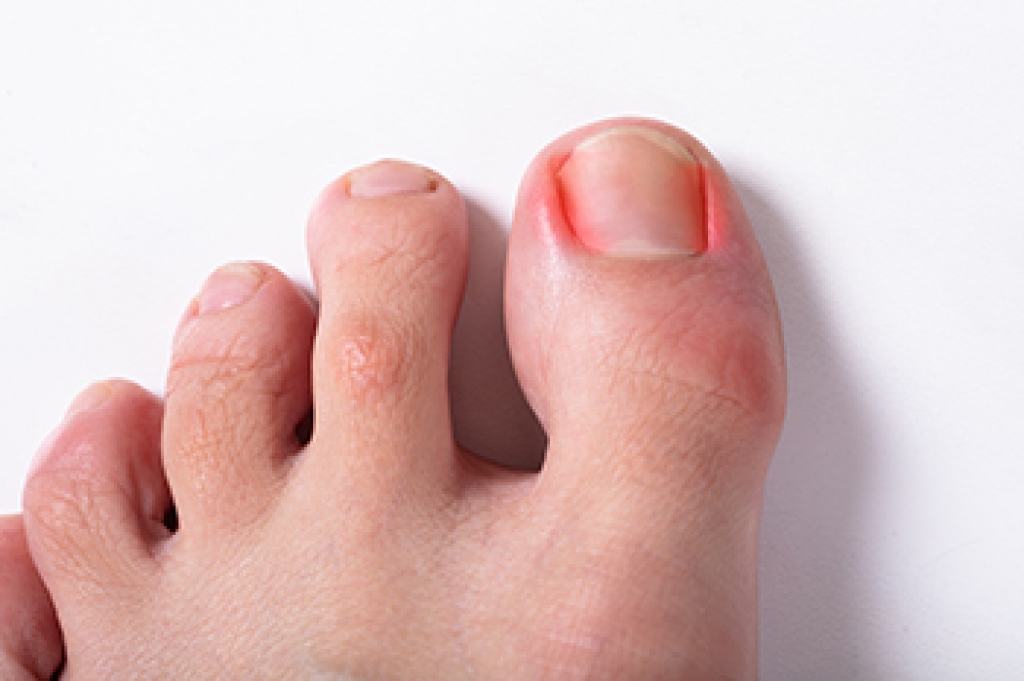
The toes are connected to the long bones of the foot with metatarsophalangeal, or MTP, joints. These joints are essential for balance and forward motion while walking. Pain in this area, most often in the big toe, develops when the joint is exposed to excess stress, poor alignment, or conditions that cause inflammation. Common causes include bunions, turf toe, and certain forms of arthritis like gout, osteoarthritis, and rheumatoid arthritis. MTP joint problems can lead to swelling, stiffness, and tenderness that make it difficult to walk or stand comfortably. Risk factors include chronic inflammatory disease and foot or leg misalignment. Wearing shoes that lack adequate support or place pressure on the toes, such as high heels or narrow footwear, are other factors. A podiatrist can assess the underlying cause and provide effective treatment to reduce pain and improve alignment. If you have ongoing pain in an MTP joint, it is suggested that you make an appointment with a podiatrist for an exam and treatment options.
Toe pain can disrupt your daily activities. If you have any concerns, contact Darren Day, DPM of Hawaii. Our doctor can provide the care you need to keep you pain-free and on your feet.
What Causes Toe Pain?
Most severe toe pain is caused due to a sports injury, trauma from dropping something heavy on the toe, or bumping into something rigid. Other problems can develop over time for various reasons.
Toe pain can be caused by one or more ailments. The most common include:
- Trauma
- Sports injury
- Wearing shoes that are too tight
- Arthritis
- Gout
- Corns and calluses
- Hammertoe
- Bunions
- Blisters
- Ingrown toenails
- Sprains
- Fractures (broken bones)
- Dislocations
When to See a Podiatrist
- Severe pain
- Persistent pain that lasts more than a week
- Signs of infection
- Continued swelling
- Pain that prevents walking
Diagnosis
In many cases the cause of toe pain is obvious, but in others, a podiatrist may want to use more advanced methods to determine the problem. These can range from simple visual inspections and sensation tests to X-rays and MRI scans. Prior medical history, family medical history, and any recent physical traumatic events will all be taken into consideration for a proper diagnosis.
Treatment
Treatments for toe pain and injuries vary and may include shoe inserts, padding, taping, medicines, injections, and in some cases, surgery. If you believe that you have broken a toe, please see a podiatrist as soon as possible.
If you have any questions please contact our offices located in Honolulu and Kahuku, HI . We offer the newest diagnostic and treatment technologies for all your foot and ankle needs.
Living With Bunions

A bunion is a bony bump that develops at the base of the big toe when the joint shifts out of alignment. Over time, the toe drifts toward the others, creating pressure, swelling, and discomfort that can make walking or wearing shoes difficult. Genetics, flat feet, arthritis, or years of wearing tight footwear can all contribute to their development. While bunions often progress slowly, they can interfere with mobility, if left unaddressed. Wearing wide shoes, adding protective padding, and using custom orthotics may reduce pressure and ease pain. Anti-inflammatory medication can also bring relief during flare-ups. In severe cases, surgery may be considered to correct the alignment. Taking steps early helps preserve comfort and function. If you are experiencing ongoing pain or changes in your big toe joint, it is suggested that you consult a podiatrist for guidance and appropriate treatment options.
If you are suffering from bunion pain, contact Darren Day, DPM of Hawaii. Our doctor can provide the care you need to keep you pain-free and on your feet.
What Is a Bunion?
Bunions are painful bony bumps that usually develop on the inside of the foot at the joint of the big toe. As the deformity increases over time, it may become painful to walk and wear shoes. Women are more likely to exacerbate existing bunions since they often wear tight, narrow shoes that shift their toes together. Bunion pain can be relieved by wearing wider shoes with enough room for the toes.
Causes
- Genetics – some people inherit feet that are more prone to bunion development
- Inflammatory Conditions - rheumatoid arthritis and polio may cause bunion development
Symptoms
- Redness and inflammation
- Pain and tenderness
- Callus or corns on the bump
- Restricted motion in the big toe
In order to diagnose your bunion, your podiatrist may ask about your medical history, symptoms, and general health. Your doctor might also order an x-ray to take a closer look at your feet. Nonsurgical treatment options include orthotics, padding, icing, changes in footwear, and medication. If nonsurgical treatments don’t alleviate your bunion pain, surgery may be necessary.
If you have any questions, please feel free to contact our offices located in Honolulu and Kahuku, HI . We offer the newest diagnostic and treatment technologies for all your foot care needs.