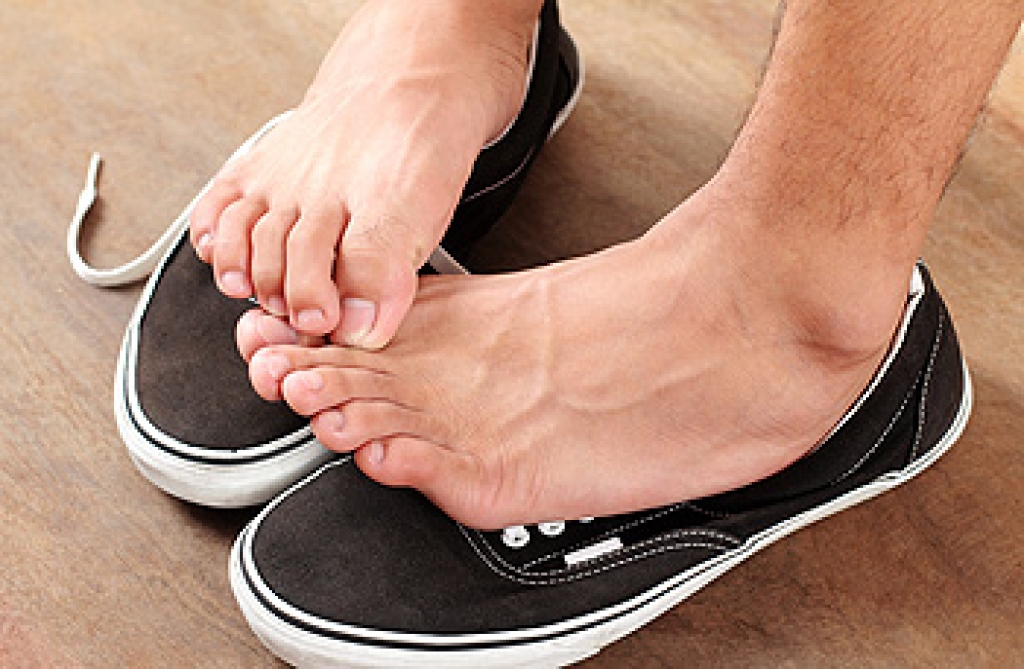
Why Your Feet Feel Itchy

Itchy feet can be more than a minor annoyance and signal an underlying skin condition. One common cause is athlete’s foot, a fungal infection that thrives in warm and damp environments, and leads to peeling skin and intense itching. Dry skin may also cause irritation, especially during colder months. Contact dermatitis can occur when the skin reacts to certain soaps, fabrics, or chemicals, leading to redness and discomfort. Chronic conditions like eczema or psoriasis may create patches of thickened, inflamed skin that itch persistently. Risk factors include sweating, poor ventilation in footwear, and sensitive skin. A podiatrist can diagnose the source, perform testing if needed, and provide targeted treatments to reduce symptoms and prevent spread or recurrence. If your feet have become itchy, it is suggested that you consult a podiatrist who can offer effective relief solutions.

Foot Pain

Foot pain can be extremely painful and debilitating. If you have a foot pain, consult with Darren Day, DPM from Hawaii. Our doctor will assess your condition and provide you with quality foot and ankle treatment.

Causes

Foot pain is a very broad condition that could be caused by one or more ailments. The most common include:

  • Bunions
  • Hammertoes
  • Plantar Fasciitis
  • Bone Spurs
  • Corns
  • Tarsal Tunnel Syndrome
  • Ingrown Toenails
  • Arthritis (such as Gout, Rheumatoid, and Osteoarthritis)
  • Flat Feet
  • Injury (from stress fractures, broken toe, foot, ankle, Achilles tendon ruptures, and sprains)
  • And more

Diagnosis

To figure out the cause of foot pain, podiatrists utilize several different methods. This can range from simple visual inspections and sensation tests to X-rays and MRI scans. Prior medical history, family medical history, and any recent physical traumatic events will all be taken into consideration for a proper diagnosis.

Treatment

Treatment depends upon the cause of the foot pain. Whether it is resting, staying off the foot, or having surgery; podiatrists have a number of treatment options available for foot pain.

If you have any questions, please feel free to contact our offices located in Honolulu and Kahuku, HI . We offer the newest diagnostic and treatment technologies for all your foot care needs.

Read more about Foot Pain

Reminder: When Was the Last Time...?

Custom orthotics, or shoe inserts, should be periodically replaced. Orthotics must fit properly to give you the best results. Protect your feet and ankles!

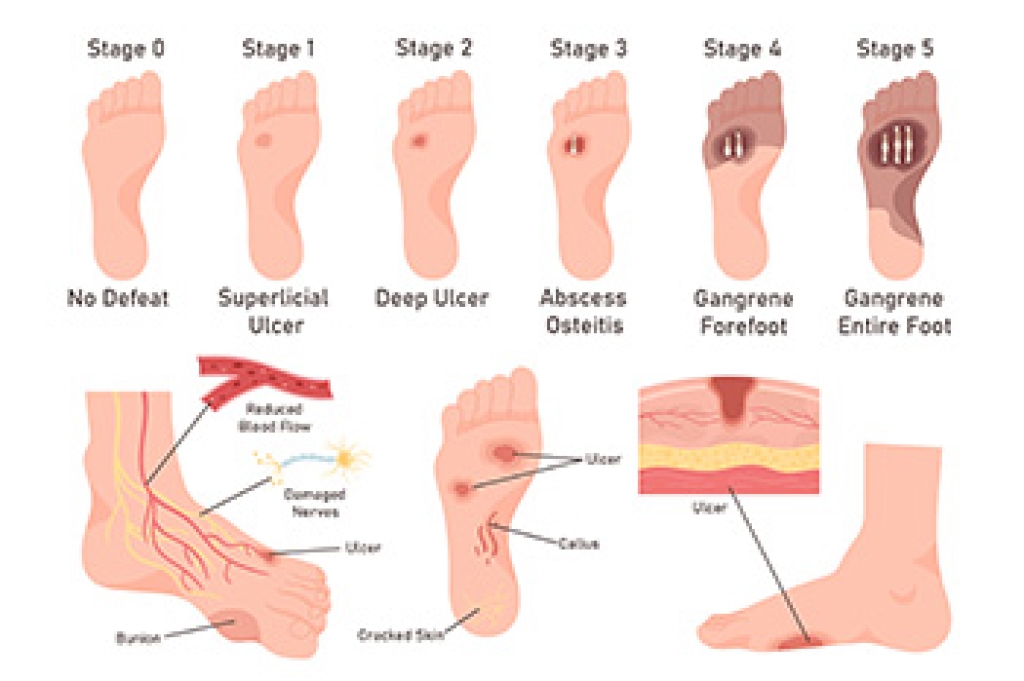
Diabetes-Related Foot Ulcers Affecting Feet and Toes

Diabetes-related ulcers on the feet and toes are open sores that develop due to high blood sugar levels affecting circulation and nerve health. Reduced sensation may make it difficult to notice small injuries that can worsen over time. Symptoms may include redness, swelling, and drainage that may be seen on socks. Risk factors include poor hygiene, improper trimming of toenails, alcohol consumption, and ill-fitting footwear. Without proper care, these ulcers can lead to serious complications. Daily foot exams and early attention to changes are important for prevention. A podiatrist can provide a thorough evaluation, treat ulcers, and offer guidance to support healing and reduce risk. If you have diabetes and have developed a foot ulcer, it is strongly suggested that you consult a podiatrist who can help you to manage this serious condition.

Diabetic foot care is important in preventing foot ailments such as ulcers. If you are suffering from diabetes or have any other concerns about your feet, contact Darren Day, DPM from Hawaii. Our doctor can provide the care you need to keep you pain-free and on your feet.

Diabetic Foot Care

Diabetes affects millions of people every year. The condition can damage blood vessels in many parts of the body, especially the feet. Because of this, taking care of your feet is essential if you have diabetes, and having a podiatrist help monitor your foot health is highly recommended.

The Importance of Caring for Your Feet

  • Routinely inspect your feet for bruises or sores.
  • Wear socks that fit your feet comfortably.
  • Wear comfortable shoes that provide adequate support.

Patients with diabetes should have their doctor monitor their blood levels, as blood sugar levels play such a huge role in diabetic care. Monitoring these levels on a regular basis is highly advised.

It is always best to inform your healthcare professional of any concerns you may have regarding your feet, especially for diabetic patients. Early treatment and routine foot examinations are keys to maintaining proper health, especially because severe complications can arise if proper treatment is not applied.

If you have any questions, please feel free to contact our offices located in Honolulu and Kahuku, HI . We offer the newest diagnostic and treatment technologies for all your foot care needs.
Read more about How to Care for Diabetic Foot

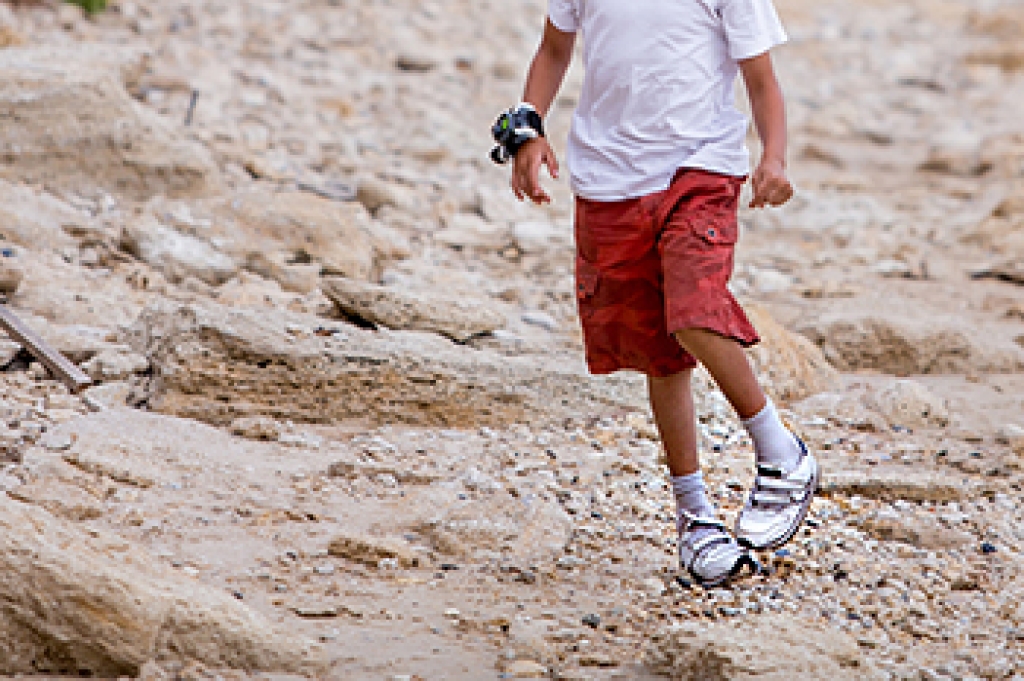
Clubfoot and Early Treatment Options

Clubfoot is a congenital condition in which a baby’s foot is twisted inward and downward, affecting alignment and movement. The exact cause is not always clear, but it is often linked to genetic factors and differences in muscle and tendon development. Symptoms include a visibly turned foot, stiffness, and limited range of motion. Early treatment is important for healthy development. The Ponseti method uses gentle stretching and casting to gradually correct the position, while the French method involves daily stretching and taping. A podiatrist can help guide treatment, monitor progress, and support proper foot function. If your child was born with clubfoot, it is strongly suggested that you include a podiatrist on your health-care team to ensure the best outcome for healthy foot development.

Congenital foot problems require immediate attention to avoid future complications. If you have any concerns, contact Darren Day, DPM of Hawaii. Our doctor can provide the care you need to keep you pain-free and on your feet.

Congenital foot problems are deformities affecting the feet, toes, and/or ankles that children are born with. Some of these conditions have a genetic cause while others just happen. Some specific foot ailments that children may be born with include clubfeet, polydactyly/macrodactyly, and cleft foot. There are several other foot anomalies that can occur congenitally. What all of these conditions have in common is that a child may experience difficulty walking or performing everyday activities, as well as trouble finding footwear that fits their foot deformity. Some of these conditions are more serious than others. Consulting with a podiatrist as early as possible will help in properly diagnosing a child’s foot condition while getting the necessary treatment underway.

What are Causes of Congenital Foot Problem?

A congenital foot problem is one that happens to a child at birth. These conditions can be caused by a genetic predisposition, developmental or positional abnormalities during gestation, or with no known cause.

What are Symptoms of Congenital Foot Problems?

Symptoms vary by the congenital condition. Symptoms may consist of the following:

  • Clubfoot, where tendons are shortened, bones are shaped differently, and the Achilles tendon is tight, causing the foot to point in and down. It is also possible for the soles of the feet to face each other.
  • Polydactyly, which usually consists of a nubbin or small lump of tissue without a bone, a toe that is partially formed but has no joints, or an extra toe.
  • Vertical talus, where the talus bone forms in the wrong position causing other bones in the foot to line up improperly, the front of the foot to point up, and the bottom of the foot to stiffen, with no arch, and to curve out.
  • Tarsal coalition, when there is an abnormal connection of two or more bones in the foot leading to severe, rigid flatfoot.
  • Cleft foot, where there are missing toes, a V-shaped cleft, and other anatomical differences.
  • Macrodactyly, when the toes are abnormally large due to overgrowth of the underlying bone or soft tissue.

Treatment and Prevention

While there is nothing one can do to prevent congenital foot problems, raising awareness and receiving neonatal screenings are important. Early detection by taking your child to a podiatrist leads to the best outcome possible.

If you have any questions, please feel free to contact our offices located in Honolulu and Kahuku, HI . We offer the newest diagnostic and treatment technologies for all your foot care needs.
Read more about Congenital Foot Problems

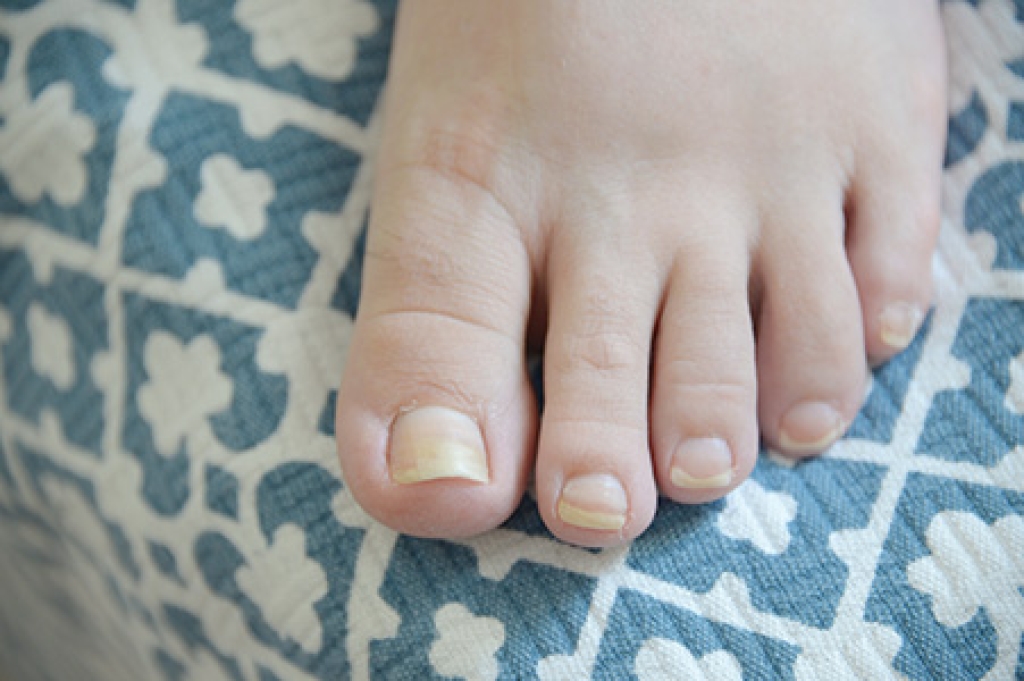
When the Toenail Separates From Its Bed

When a toenail separates from the skin beneath it, the condition is called onycholysis. This can make the nail look white or yellow where it has lifted, while the rest of the nail remains pink. The area may collect debris and can sometimes develop an odor or mild discomfort. Causes of toenail separation include repeated pressure from shoes, direct injury, and fungal infection. Certain medical conditions that affect nail growth may also be a factor. In some cases, the nail edge becomes uneven or thickened as it pulls away from the nail bed. A podiatrist can examine the nail closely, determine the cause, and check for infection or underlying disease.  Trimming the damaged portion and testing nail samples may also be involved. Treatment plans include managing infection, reducing pressure on the nail, and guiding healthy regrowth. If your toenail lifts from the nail bed, it is suggested that you schedule an appointment with a podiatrist for a diagnosis and appropriate treatment.

Toe pain can disrupt your daily activities. If you have any concerns, contact Darren Day, DPM of Hawaii. Our doctor can provide the care you need to keep you pain-free and on your feet.

What Causes Toe Pain?

Most severe toe pain is caused due to a sports injury, trauma from dropping something heavy on the toe, or bumping into something rigid. Other problems can develop over time for various reasons.

Toe pain can be caused by one or more ailments. The most common include:

  • Trauma
  • Sports injury
  • Wearing shoes that are too tight
  • Arthritis
  • Gout
  • Corns and calluses
  • Hammertoe
  • Bunions
  • Blisters
  • Ingrown toenails
  • Sprains
  • Fractures (broken bones)
  • Dislocations

When to See a Podiatrist

  • Severe pain
  • Persistent pain that lasts more than a week
  • Signs of infection
  • Continued swelling
  • Pain that prevents walking

Diagnosis

In many cases the cause of toe pain is obvious, but in others, a podiatrist may want to use more advanced methods to determine the problem. These can range from simple visual inspections and sensation tests to X-rays and MRI scans. Prior medical history, family medical history, and any recent physical traumatic events will all be taken into consideration for a proper diagnosis.

Treatment

Treatments for toe pain and injuries vary and may include shoe inserts, padding, taping, medicines, injections, and in some cases, surgery. If you believe that you have broken a toe, please see a podiatrist as soon as possible.

If you have any questions please contact our offices located in Honolulu and Kahuku, HI . We offer the newest diagnostic and treatment technologies for all your foot and ankle needs.

Read more about Toe Pain

Connect With Us

Like Us on Facebook
Follow Us on Twitter
Review Us on Google

Affiliated With

Affiliated with Ko'olauloa Health Center Logo
Affiliated with The Queens Medical Center Logo
Advanced Podiatric Procedures & Services in the Honolulu County, HI: Honolulu (Manoa, Kaneohe, Waikiki, Aiea, Waimalu, Moanalua, Kailua, Maunawili, Pearl City, Waipahu, Ahuimanu, Hawaii Kai, Waialae - Kahala) and North Shore (Kahuku, Laie, Hauula, Kawela Bay, Pupukea, Punaluu, Kaaawa, Haleiwa, Waialua, Koolauloa) areas