Items filtered by date: September 2025

Tuesday, 30 September 2025 00:00

Causes and Care for Pain on the Top of the Foot

Pain on the top of the foot can result from several conditions. One common cause is wearing shoes that are too tight across the laces, which can irritate nerves and tendons. Overuse injuries, such as tendonitis or stress fractures, also frequently affect this area, especially in athletes and runners. Arthritis, ganglion cysts, and nerve entrapment may also lead to discomfort on the top of the foot. Identifying the exact source of pain is important in order to guide treatment. Rest, wearing supportive footwear, and anti-inflammatory measures may help relieve mild symptoms. Custom orthotics, bracing, or targeted exercises can provide additional support when needed. In more severe cases, surgery may be required. If you are dealing with ongoing pain on the top of your foot, it is suggested that you schedule an appointment with a podiatrist for an accurate diagnosis and individualized treatment plan.

Foot Pain

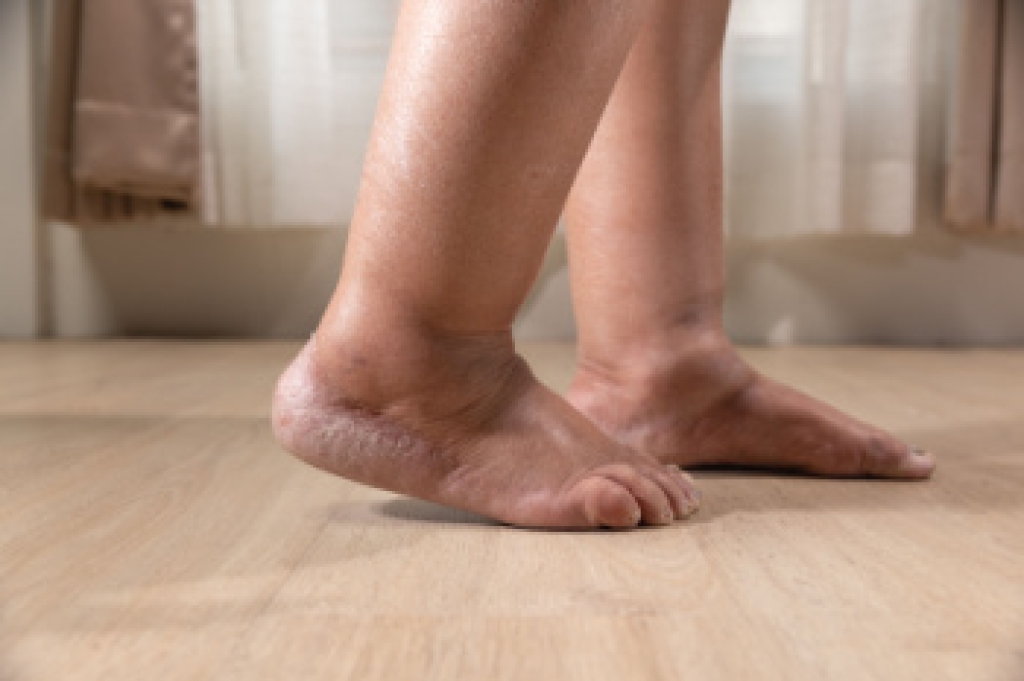
Foot pain can be extremely painful and debilitating. If you have a foot pain, consult with Darren Day, DPM from Hawaii. Our doctor will assess your condition and provide you with quality foot and ankle treatment.

Causes

Foot pain is a very broad condition that could be caused by one or more ailments. The most common include:

  • Bunions
  • Hammertoes
  • Plantar Fasciitis
  • Bone Spurs
  • Corns
  • Tarsal Tunnel Syndrome
  • Ingrown Toenails
  • Arthritis (such as Gout, Rheumatoid, and Osteoarthritis)
  • Flat Feet
  • Injury (from stress fractures, broken toe, foot, ankle, Achilles tendon ruptures, and sprains)
  • And more

Diagnosis

To figure out the cause of foot pain, podiatrists utilize several different methods. This can range from simple visual inspections and sensation tests to X-rays and MRI scans. Prior medical history, family medical history, and any recent physical traumatic events will all be taken into consideration for a proper diagnosis.

Treatment

Treatment depends upon the cause of the foot pain. Whether it is resting, staying off the foot, or having surgery; podiatrists have a number of treatment options available for foot pain.

If you have any questions, please feel free to contact our offices located in Honolulu and Kahuku, HI . We offer the newest diagnostic and treatment technologies for all your foot care needs.

Read more about Foot Pain

The posterior tibial nerve that runs down your ankle to your foot is encased in the narrow tarsal tunnel along with tendons and blood vessels. When that nerve becomes compressed by an ankle sprain, arthritis, or overuse, it can become inflamed and painful, causing tarsal tunnel syndrome. Gentle exercises that gradually build strength and flexibility may help reduce swelling and pain. However, it is important to start off slowly, and pace yourself as you do not want to make the situation worse. Before attempting any exercise it is suggested that you consult with a podiatrist to determine if you have tarsal tunnel syndrome. In addition this foot doctor can also confirm which exercises are safe for you and suggest a treatment plan that is beneficial for reducing pain and swelling, while helping the ankle heal.

Tarsal tunnel syndrome can be very uncomfortable to live with. If you are experiencing tarsal tunnel syndrome, contact Darren Day, DPM of Hawaii. Our doctor can provide the care you need to keep you pain-free and on your feet.

Tarsal Tunnel Syndrome

Tarsal tunnel syndrome, which can also be called tibial nerve dysfunction, is an uncommon condition of misfiring peripheral nerves in the foot. The tibial nerve is the peripheral nerve in the leg responsible for sensation and movement of the foot and calf muscles. In tarsal tunnel syndrome, the tibial nerve is damaged, causing problems with movement and feeling in the foot of the affected leg.

Common Cause of Tarsal Tunnel Syndrome

  • Involves pressure or an injury, direct pressure on the tibial nerve for an extended period of time, sometimes caused by other body structures close by or near the knee.
  • Diseases that damage nerves, including diabetes, may cause tarsal tunnel syndrome.
  • At times, tarsal tunnel syndrome can appear without an obvious cause in some cases.

The Effects of Tarsal Tunnel Syndrome

  • Different sensations, an afflicted person may experience pain, tingling, burning or other unusual sensations in the foot of the affected leg.
  • The foot muscles, toes and ankle become weaker, and curling your toes or flexing your foot can become difficult.
  • If condition worsens, infections and ulcers may develop on the foot that is experiencing the syndrome.

A physical exam of the leg can help identify the presence of tarsal tunnel syndrome. Medical tests, such as a nerve biopsy, are also used to diagnose the condition. Patients may receive physical therapy and prescriptive medication. In extreme cases, some may require surgery.

If you have any questions please contact our offices located in Honolulu and Kahuku, HI . We offer the newest diagnostic and treatment technologies for all your foot and ankle needs.

Read more about Treating Tarsal Tunnel Syndrome
Tuesday, 16 September 2025 00:00

Tracing the Signs of Fungal Toenails

Fungal toenails, also referred to as ringworm of the nails or tinea pedis, often begin quietly, with a nail that looks a little dull or slightly yellow. Over time, the change becomes more obvious as the nail thickens, turns brittle, and sometimes gives off an unpleasant odor. The surface may appear rough or crumbly, and in advanced cases the nail can separate from the skin beneath it. These infections are stubborn because fungi thrive in warm, damp spaces such as inside shoes or socks worn for long hours. Age, reduced circulation, and frequent exposure to public showers or locker rooms can all increase risk. While many try home remedies, the condition rarely resolves without professional care. Ignoring it can lead to discomfort and difficulty wearing shoes. If you notice changes in your toenails that will not improve, it is suggested that you see a podiatrist for treatment.

If left untreated, toenail fungus may spread to other toenails, skin, or even fingernails. If you suspect you have toenail fungus it is important to seek treatment right away. For more information about treatment, contact Darren Day, DPM of Hawaii. Our doctor can provide the care you need to keep you pain-free and on your feet.

Symptoms

  • Warped or oddly shaped nails
  • Yellowish nails
  • Loose/separated nail
  • Buildup of bits and pieces of nail fragments under the nail
  • Brittle, broken, thickened nail

Treatment

If self-care strategies and over-the-counter medications does not help your fungus, your podiatrist may give you a prescription drug instead. Even if you find relief from your toenail fungus symptoms, you may experience a repeat infection in the future.

Prevention

In order to prevent getting toenail fungus in the future, you should always make sure to wash your feet with soap and water. After washing, it is important to dry your feet thoroughly especially in between the toes. When trimming your toenails, be sure to trim straight across instead of in a rounded shape. It is crucial not to cover up discolored nails with nail polish because that will prevent your nail from being able to “breathe”.

In some cases, surgical procedure may be needed to remove the toenail fungus. Consult with your podiatrist about the best treatment options for your case of toenail fungus.  

If you have any questions please contact our offices located in Honolulu and Kahuku, HI . We offer the newest diagnostic and treatment technologies for all your foot and ankle needs.

Read more about Toenail Fungus
Tuesday, 09 September 2025 00:00

Signs of Peripheral Artery Disease in the Feet

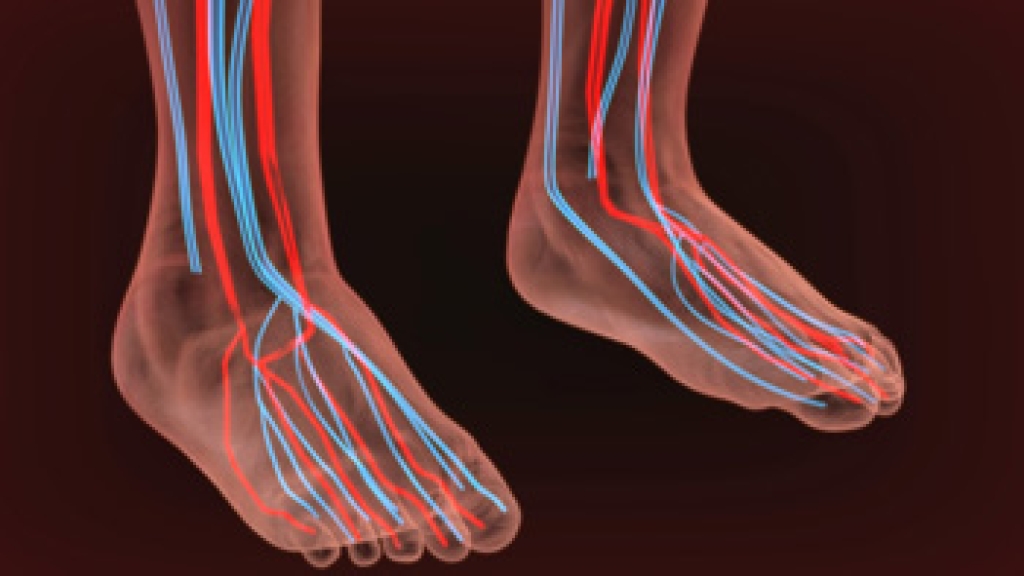
Peripheral artery disease, or PAD, affects the blood vessels that supply the feet and ankles. It reduces circulation and limits oxygen delivery to these tissues. Early signs of peripheral artery disease include cold feet, diminished hair growth on the toes, or a weak pulse in the ankles. As peripheral artery disease progresses, cramping or pain in the feet during walking that improves with rest can occur. More advanced cases of PAD can cause persistent pain in the feet at night, skin that appears pale or bluish, and wounds on the toes or heels that are slow to heal. In severe cases, ulcers or tissue loss may occur, which raises the risk of infection and possible limb loss, if left untreated. A podiatrist can detect PAD by examining the feet, checking circulation, and ordering diagnostic tests when needed. If you have symptoms of peripheral artery disease affecting the feet, it is suggested that you schedule an appointment with a podiatrist for a diagnosis and appropriate treatment.

Peripheral artery disease can pose a serious risk to your health. It can increase the risk of stroke and heart attack. If you have symptoms of peripheral artery disease, consult with Darren Day, DPM from Hawaii. Our doctor will assess your condition and provide you with quality foot and ankle treatment.

Peripheral artery disease (PAD) is when arteries are constricted due to plaque (fatty deposits) build-up. This results in less blood flow to the legs and other extremities. The main cause of PAD is atherosclerosis, in which plaque builds up in the arteries.

Symptoms

Symptoms of PAD include:

  • Claudication (leg pain from walking)
  • Numbness in legs
  • Decrease in growth of leg hair and toenails
  • Paleness of the skin
  • Erectile dysfunction
  • Sores and wounds on legs and feet that won’t heal
  • Coldness in one leg

It is important to note that a majority of individuals never show any symptoms of PAD.

Diagnosis

While PAD occurs in the legs and arteries, Podiatrists can diagnose PAD. Podiatrists utilize a test called an ankle-brachial index (ABI). An ABI test compares blood pressure in your arm to you ankle to see if any abnormality occurs. Ultrasound and imaging devices may also be used.

Treatment

Fortunately, lifestyle changes such as maintaining a healthy diet, exercising, managing cholesterol and blood sugar levels, and quitting smoking, can all treat PAD. Medications that prevent clots from occurring can be prescribed. Finally, in some cases, surgery may be recommended.

If you have any questions, please feel free to contact our offices located in Honolulu and Kahuku, HI . We offer the newest diagnostic and treatment technologies for all your foot care needs.

Read more about Peripheral Artery Disease
Friday, 05 September 2025 00:00

Are Bunions Affecting Your Everyday Life?

Have you noticed a bony protrusion on the side of your big toe? If so, you may have developed the foot condition known as a bunion. Don't let bunions interfere with your daily activities.

Tuesday, 02 September 2025 00:00

Essential Foot Care Tips for Diabetic Patients

Keeping feet healthy with diabetes is vital to prevent complications such as infections or ulcers. Simple daily habits can make a big difference. Check your feet every day for cuts, blisters, or changes in skin color. Avoid walking barefoot to reduce the risk of injury or infection. Always wear shoes that fit well to protect your feet and prevent pressure points. Additionally, trim toenails straight across to avoid ingrown nails and irritation. A podiatrist can provide regular foot exams, detect problems early, and offer professional care tailored to your needs. If you have diabetes, it is strongly suggested that you are under the care of a podiatrist who can help you to manage this serious condition.

Diabetic foot care is important in preventing foot ailments such as ulcers. If you are suffering from diabetes or have any other concerns about your feet, contact Darren Day, DPM from Hawaii. Our doctor can provide the care you need to keep you pain-free and on your feet.

Diabetic Foot Care

Diabetes affects millions of people every year. The condition can damage blood vessels in many parts of the body, especially the feet. Because of this, taking care of your feet is essential if you have diabetes, and having a podiatrist help monitor your foot health is highly recommended.

The Importance of Caring for Your Feet

  • Routinely inspect your feet for bruises or sores.
  • Wear socks that fit your feet comfortably.
  • Wear comfortable shoes that provide adequate support.

Patients with diabetes should have their doctor monitor their blood levels, as blood sugar levels play such a huge role in diabetic care. Monitoring these levels on a regular basis is highly advised.

It is always best to inform your healthcare professional of any concerns you may have regarding your feet, especially for diabetic patients. Early treatment and routine foot examinations are keys to maintaining proper health, especially because severe complications can arise if proper treatment is not applied.

If you have any questions, please feel free to contact our offices located in Honolulu and Kahuku, HI . We offer the newest diagnostic and treatment technologies for all your foot care needs.

Read more about Diabetic Foot Conditions

Connect With Us

Like Us on Facebook
Follow Us on Twitter
Review Us on Google

Affiliated With

Affiliated with Ko'olauloa Health Center Logo
Affiliated with The Queens Medical Center Logo
Advanced Podiatric Procedures & Services in the Honolulu County, HI: Honolulu (Manoa, Kaneohe, Waikiki, Aiea, Waimalu, Moanalua, Kailua, Maunawili, Pearl City, Waipahu, Ahuimanu, Hawaii Kai, Waialae - Kahala) and North Shore (Kahuku, Laie, Hauula, Kawela Bay, Pupukea, Punaluu, Kaaawa, Haleiwa, Waialua, Koolauloa) areas