Items filtered by date: June 2024
The Best Office Shoes and Their Impact on Productivity
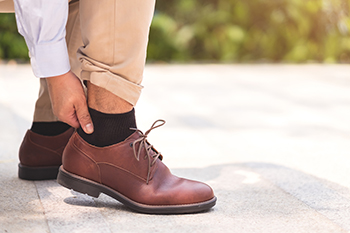
Choosing the right office shoes can significantly impact productivity. Anti-microbial shoes maintain hygiene and reduce odor, creating a more comfortable environment. Shoes with good traction prevent slips and falls, ensuring safety and allowing for confident movement. Lightweight shoes reduce fatigue, making it easier to stay active and focused throughout the day. Breathable materials help regulate foot temperature, preventing discomfort from overheating. Additionally, flexibility in shoes supports natural foot movement, reducing strain and promoting better posture. Adequate support is essential for preventing foot and back pain, enabling longer periods of standing or walking without discomfort. The combination of these features leads to improved comfort, safety, and overall well-being, which in turn boosts productivity by allowing employees to concentrate on their tasks without being distracted by foot-related issues. If you have developed foot pain or a foot condition from wearing the wrong shoes during the workday, it is suggested that you consult a podiatrist who can offer you relief remedies, in addition to educating you on what shoes to wear for your profession.
While working on the feet, it is important to take the proper care of them. For more information about working on your feet, contact Darren Day, DPM from Hawaii. Our doctor will treat your foot and ankle needs.
Working on Your Feet
Standing on your feet for long periods of time can cause stress and pain in your feet. Your whole body may experience change in terms of posture, back pain, bunions, callouses and or plantar warts. There are ways to avoid these conditions with proper foot care, smart choices and correct posture.
Positive Changes
Negative heeled shoe – Choosing this shoe type places the heel slightly lower than the ball of the foot. These are great for overall foot health. Find shoes that fit you correctly.
Go barefoot – Our feet were not designed to be enclosed for all hours of the day. Try to periodically expose your feet to air.
Eliminate Pain
Foot Exercises – Performing simple exercises, incorporating yoga and doing stretches are beneficial. This will allow increased blood flow to the area and muscles of the foot.
Achilles tendon – Stretching the foot out flat on the floor will relax the calf muscles and tendon. These exercises can be performed almost anywhere. Make sure you add these exercises to your daily regimen.
With a little bit of this information and knowing more about foot health, you will notice changes. Foot stretches and proper footwear will help with pain and prevent further issues.
If you have any questions please feel free to contact our offices located in Honolulu and Kahuku, HI . We offer the newest diagnostic and treatment technologies for all your foot and ankle needs.
Effective Foot Stretches and Their Benefits
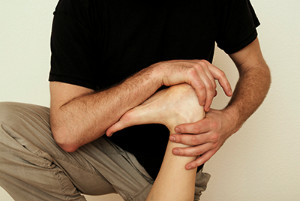
Foot stretches offer a simple yet powerful way to improve flexibility, relieve tension, and prevent injuries. One effective stretch is the toe stretch, where you sit back on your heels, gently pressing your toes into the ground to stretch the top of the foot. Another beneficial stretch is the calf stretch, achieved by placing hands on a wall, stepping one foot back, and pressing the heel into the ground while keeping the back leg straight. Additionally, the plantar fascia stretch targets the sole of the foot, as you sit with one leg crossed over the other, gently pulling your toes back towards the shin. These stretches can alleviate discomfort caused by conditions like plantar fasciitis and Achilles tendonitis, while also enhancing overall foot mobility and function. Incorporating these stretches into your daily routine, especially before and after physical activity. If you are interested in learning more about specific foot stretches and how they can help relieve foot pain, it is suggested that you contact a podiatrist.
Stretching the feet is a great way to prevent injuries. If you have any concerns with your feet consult with Darren Day, DPM from Hawaii. Our doctor will assess your condition and provide you with quality foot and ankle treatment.
Stretching the Feet
Being the backbone of the body, the feet carry your entire weight and can easily become overexerted, causing cramps and pain. As with any body part, stretching your feet can serve many benefits. From increasing flexibility to even providing some pain relief, be sure to give your feet a stretch from time to time. This is especially important for athletes or anyone performing aerobic exercises, but anyone experiencing foot pain or is on their feet constantly should also engage in this practice.
Great ways to stretch your feet:
- Crossing one leg over the others and carefully pull your toes back. Do 10-20 repetitions and repeat the process for each foot
- Face a wall with your arms out and hands flat against the wall. Step back with one foot and keep it flat on the floor while moving the other leg forward. Lean towards the wall until you feel a stretch. Hold for 30 seconds and perform 10 repetitions for each foot
- Be sure not to overextend or push your limbs too hard or you could risk pulling or straining your muscle
Individuals who tend to their feet by regular stretching every day should be able to minimize foot pain and prevent new problems from arising.
If you have any questions, please feel free to contact our offices located in Honolulu and Kahuku, HI . We offer the newest diagnostic and treatment technologies for all your foot care needs.
Tips for Diabetic Foot Care

Ensuring optimal foot health is essential for individuals with diabetes. Through a daily foot care routine, a diabetic individual can significantly reduce the effect of complications, such as peripheral neuropathy and artery disease. Maintaining stable glucose levels helps to preserve nerve and blood vessel health in the feet. Suggestions for diabetic foot care include undergoing an annual review of your feet with a podiatrist who is trained to recognize foot problems related to diabetes. It is also helpful to regularly inspect your feet for signs of redness, pain, swelling, or skin damage, and be vigilant for any changes in sensation. Conduct the touch-the-toes test to assess feeling in your toes, and take notice of sores or cuts in the feet or ankles that do not heal promptly. Prioritize proper toenail care to prevent ingrown nails that can lead to infections. Avoid using corn removing plasters or blades to prevent skin damage, and opt for wearing well-fitting shoes that provide adequate support and protection. By adhering to these measures and seeking help from a podiatrist as needed, diabetic patients can more effectively manage their foot health. If you have diabetes, It is suggested that you include a podiatrist as an active member of your health care team.
Diabetic foot care is important in preventing foot ailments such as ulcers. If you are suffering from diabetes or have any other concerns about your feet, contact Darren Day, DPM from Hawaii. Our doctor can provide the care you need to keep you pain-free and on your feet.
Diabetic Foot Care
Diabetes affects millions of people every year. The condition can damage blood vessels in many parts of the body, especially the feet. Because of this, taking care of your feet is essential if you have diabetes, and having a podiatrist help monitor your foot health is highly recommended.
The Importance of Caring for Your Feet
- Routinely inspect your feet for bruises or sores.
- Wear socks that fit your feet comfortably.
- Wear comfortable shoes that provide adequate support.
Patients with diabetes should have their doctor monitor their blood levels, as blood sugar levels play such a huge role in diabetic care. Monitoring these levels on a regular basis is highly advised.
It is always best to inform your healthcare professional of any concerns you may have regarding your feet, especially for diabetic patients. Early treatment and routine foot examinations are keys to maintaining proper health, especially because severe complications can arise if proper treatment is not applied.
If you have any questions please feel free to contact our offices located in Honolulu and Kahuku, HI . We offer the newest diagnostic and treatment technologies for all your foot and ankle needs.
Do Your Child's Feet Hurt?

Have your child's feet been examined lately? Healthy feet are happy feet. If your child is complaining of foot pain, it may be a sign of underlying problems.
Types and Causes of Ankle Pain

Ankle pain, a common complaint with various origins, can significantly impact daily activities and quality of life. Acute ankle pain often arises from sudden injuries, such as sprains or fractures, resulting from twists, falls, or impacts. Symptoms of these injuries include sharp pain, swelling, and bruising. Conversely, chronic ankle pain may develop gradually over time, due to repetitive stress or underlying conditions like tendonitis or arthritis. Such persistent discomfort may be accompanied by stiffness and weakness in the ankle joint. Overuse injuries, such as Achilles tendonitis or peroneal tendonitis, can lead to localized pain along the back or sides of the ankle. Contributing factors include improper footwear, biomechanical issues, and insufficient warm-up or conditioning. If you have developed ankle pain for any reason, it is suggested that you consult a podiatrist who can determine the cause and offer appropriate treatment options.
Ankle pain can have many different causes and the pain may potentially be serious. If you have ankle pain, consult with Darren Day, DPM from Hawaii. Our doctor will assess your condition and provide you with quality foot and ankle treatment.
Ankle pain is any condition that causes pain in the ankle. Due to the fact that the ankle consists of tendons, muscles, bones, and ligaments, ankle pain can come from a number of different conditions.
Causes
The most common causes of ankle pain include:
- Types of arthritis (rheumatoid, osteoarthritis, and gout)
- Ankle sprains
- Broken ankles
- Achilles tendinitis
- Achilles tendon rupture
- Stress fractures
- Tarsal tunnel syndrome
- Plantar fasciitis
Symptoms
Symptoms of ankle injury vary based upon the condition. Pain may include general pain and discomfort, swelling, aching, redness, bruising, burning or stabbing sensations, and/or loss of sensation.
Diagnosis
Due to the wide variety of potential causes of ankle pain, podiatrists will utilize a number of different methods to properly diagnose ankle pain. This can include asking for personal and family medical histories and of any recent injuries. Further diagnosis may include sensation tests, a physical examination, and potentially x-rays or other imaging tests.
Treatment
Just as the range of causes varies widely, so do treatments. Some more common treatments are rest, ice packs, keeping pressure off the foot, orthotics and braces, medication for inflammation and pain, and surgery.
If you have any questions, please feel free to contact our offices located in Honolulu and Kahuku, HI . We offer the newest diagnostic and treatment technologies for all your foot care needs.